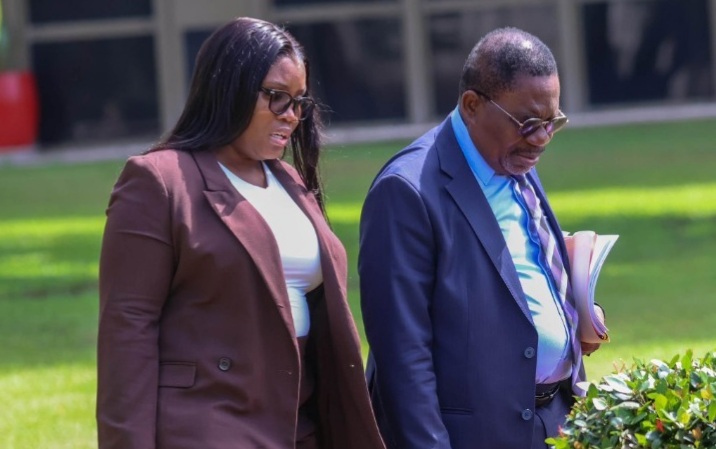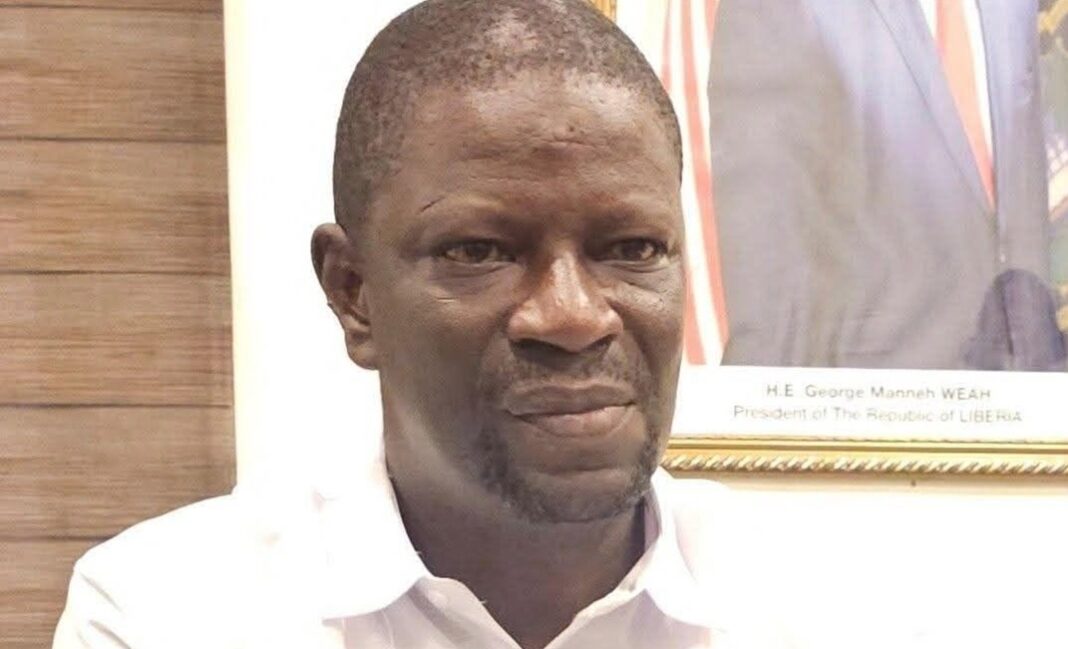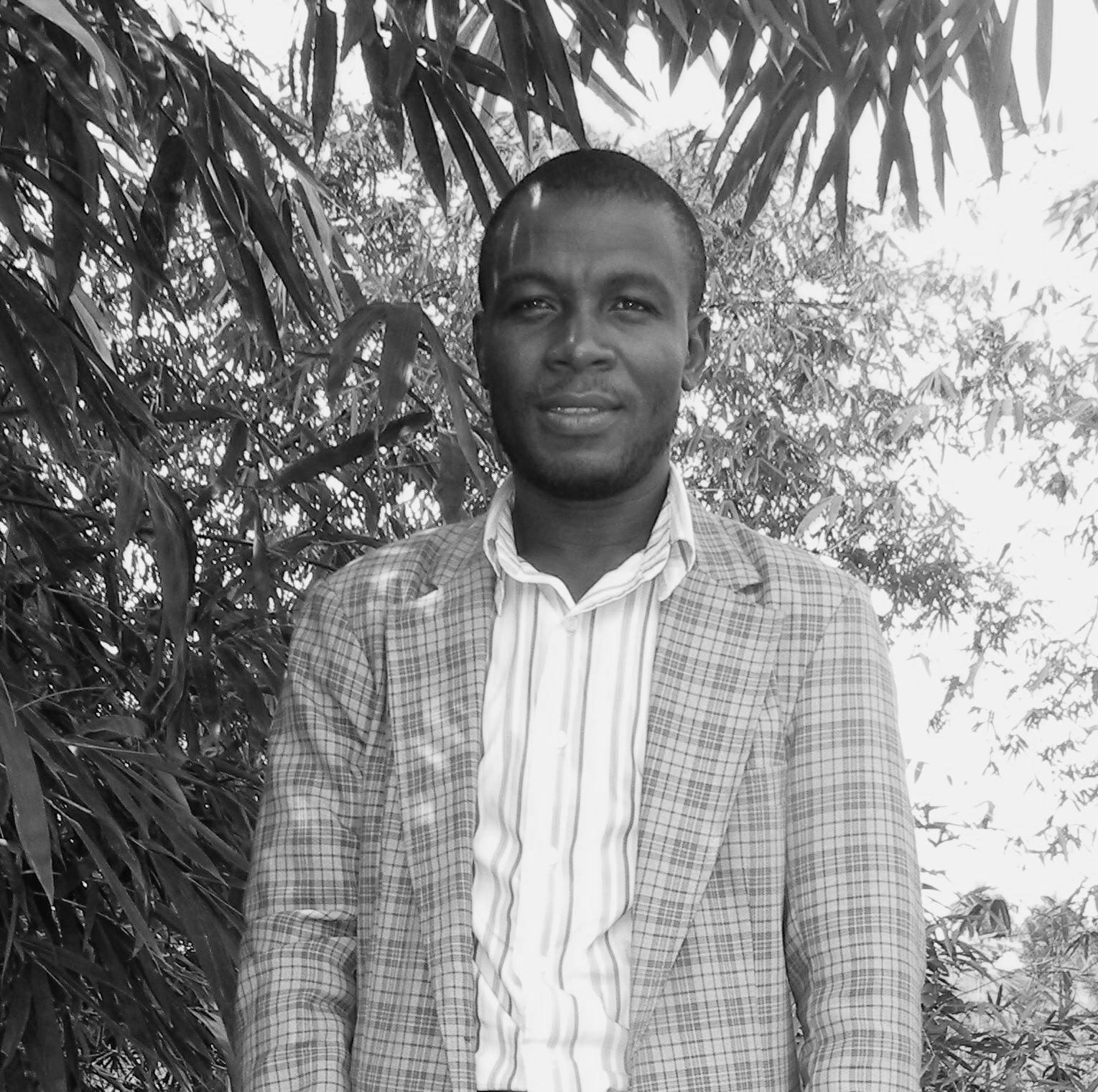
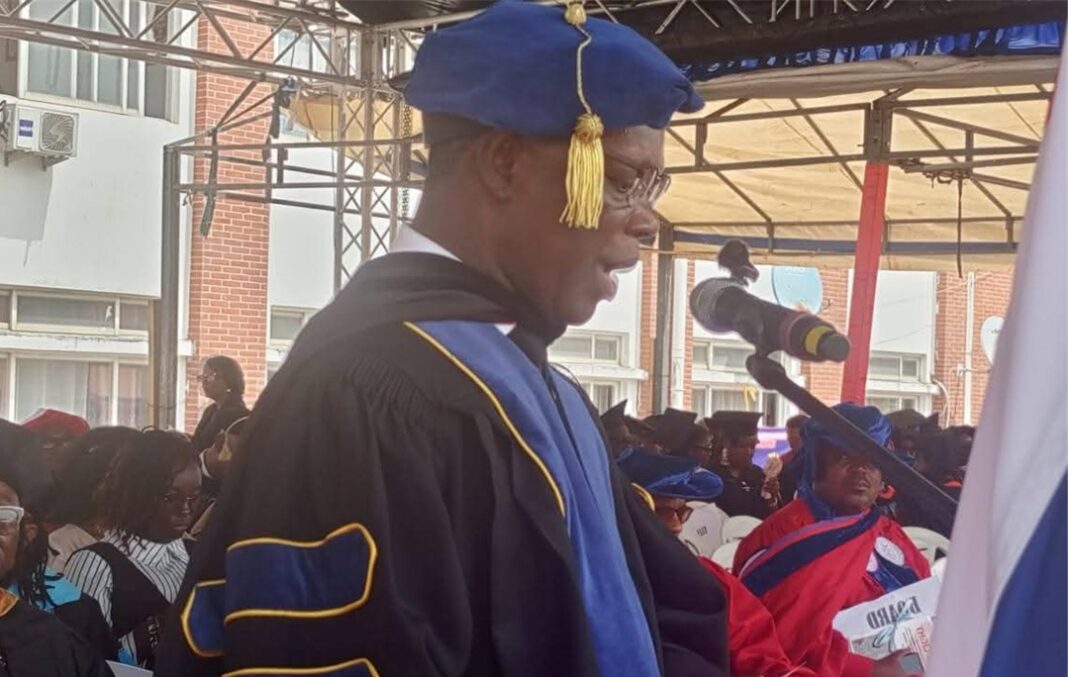
MONROVIA, LIBERIA — The journey from a rural community in southeastern Liberia to the leadership of one of the country’s major academic colleges is a story of perseverance, intellectual development and professional service. For Associate Professor Dr. Josephus Gbala-hinnih Moses Gray, Dean of the Amos C. Sawyer College of Social Sciences and Humanities at the University of Liberia, that journey reflects decades of investment in education, journalism, diplomacy, research and the advancement of knowledge.
Recognized as the Doyen of Deans at the University of Liberia, Dr. Gray has built an academic and professional career that spans several disciplines and international institutions. His accomplishments reflect a combination of formal education, practical experience, international exposure and a commitment to helping others develop their potential.
Yet the significance of his journey extends beyond the degrees he has earned, the positions he has occupied or the professional recognition he has received. His story also offers an opportunity to reflect on the role of higher education in preparing Liberia’s future leaders, strengthening public institutions, advancing research and equipping young people with the knowledge and skills needed to contribute to national development.
From his formative years in Kayken, Barclayville District, Grand Kru County, to his current responsibilities at Liberia’s oldest degree-granting university, Dr. Gray’s professional development illustrates the possibilities that can emerge when education becomes a lifelong commitment.
FROM KAYKEN TO MONROVIA, A FOUNDATION BUILT ON EDUCATION
Dr. Gray was born at the James Jenkins Dossen Medical Hospital in Harper City, Maryland County, to Christian parents. Although his birthplace was in Maryland County, his formative years were shaped by his upbringing in Kayken, a renowned village in Barclayville District, Grand Kru County, where he was raised by his uncle and father, Honourable Glay Nimely, a distinguished traditional statesman and chief.
Growing up in a traditional community helped shape his understanding of education, human dignity and the value of life. The lessons acquired during those formative years would become part of the foundation upon which he built his academic and professional career.
He completed his elementary and junior high education in Grand Kru and Maryland counties before moving to Monrovia to pursue secondary and higher education and seek wider opportunities.
That transition marked an important stage in his development. Moving from southeastern Liberia to the capital required him to adapt to a different educational and social environment while pursuing ambitions that would eventually take him into international academic and professional circles.
His journey offers an encouraging message to young Liberians, particularly those growing up in rural communities where educational facilities, scholarships and professional opportunities may be limited. A person’s birthplace or early circumstances need not determine the extent of their future achievements.
However, individual determination must be accompanied by access to quality education, adequate learning resources, mentorship and institutions capable of nurturing talent. Dr. Gray’s experience illustrates the potential of sustained educational investment while highlighting the importance of creating opportunities for other young Liberians to pursue similar ambitions.
His rise to academic leadership also reinforces the importance of ensuring that students from Grand Kru, Maryland and other counties have access to the educational pathways necessary to compete nationally and internationally.
EIGHTEEN YEARS IN JOURNALISM BEFORE A CAREER IN ACADEMIA
Before establishing himself as a university professor and academic administrator, Dr. Gray spent 18 uninterrupted years in professional journalism, building a career that took him from cub reporter to Editor-in-Chief, Executive Editor and Editorial Consultant.
His experience in the media industry exposed him to the practical demands of gathering information, researching public issues, analyzing developments and communicating complex subjects to different audiences.
Journalism also requires discipline, accuracy, critical thinking and the ability to distinguish verified information from unsupported claims. These professional demands can provide valuable foundations for teaching, academic research and public policy analysis.
Dr. Gray’s transition from the newsroom to the university environment therefore represents more than a change of profession. It connects practical communication experience with the responsibility of educating students and developing their capacity to understand society, government and international affairs.
A major milestone in his journalism career came in 2006, when he benefited from an Overseas Journalism Exchange Fellowship Program in the United States of America.
During the intensive three-month program, he spent one week each at The New York Times in New York and The Washington Post in Washington, D.C. He also spent one month at the Savannah Morning News in Savannah, Georgia.
The fellowship provided opportunities to observe professional journalism in an international setting and engage with newsroom practices at established American media institutions.
Such exposure is relevant to Liberia’s education sector because universities must prepare students to meet professional standards while equipping them with the theoretical foundations required for their chosen careers.
For students of journalism and communication, the connection between professional practice and academic instruction is particularly important. Understanding media ethics, editorial judgment, research methods, public communication and the relationship between journalism and democratic governance requires both conceptual knowledge and an appreciation of real-world professional responsibilities.
Dr. Gray’s years in journalism provide an important dimension to his academic profile, allowing his professional experience to complement his work in teaching and research.
His career also demonstrates that professional development does not necessarily follow a single path. Experience gained in journalism can become a foundation for further study in international relations, diplomacy, public policy and university education.
SEVEN YEARS OF RIGOROUS STUDY AND A DOCTORAL ACHIEVEMENT IN FRANCE
One of the defining achievements in Dr. Gray’s academic journey was earning a Doctor of Philosophy degree in International Relations and Diplomacy from CEDS University in Paris, France, following seven years of rigorous study.
The pursuit of a doctorate requires sustained intellectual commitment, extensive research, engagement with existing scholarship and the ability to develop and defend an original academic argument.
For Dr. Gray, the journey also involved substantial financial sacrifice.
He benefited from a 75 percent scholarship from the French government and personally financed the remaining 25 percent, amounting to €16,000. This contribution did not include other expenses associated with accommodation, local and international transportation, airfare, library access, research and doctoral defense.
His experience illustrates the financial challenges that can accompany advanced education, particularly for professionals seeking specialized qualifications through international institutions.
It also demonstrates the value of scholarship programs in expanding access to postgraduate education. Financial assistance can help talented students and professionals pursue advanced studies that might otherwise remain beyond their reach.
For Liberia, the development of a stronger higher education system requires attention not only to undergraduate enrollment but also to postgraduate scholarships, research grants, faculty development and opportunities for academics to pursue specialized training.
Doctoral-level education can strengthen a country’s capacity to produce researchers, university lecturers, policy specialists and other professionals whose work contributes to national development.
Dr. Gray’s academic journey therefore offers a useful example of the commitment required to obtain advanced qualifications while drawing attention to the importance of institutional support for aspiring scholars.
His experience also reinforces the need for Liberian universities and policymakers to explore sustainable ways of financing advanced education, encouraging research and retaining qualified professionals within the country’s academic institutions.
AN ACADEMIC FOUNDATION BUILT ACROSS DISCIPLINES AND COUNTRIES
Dr. Gray’s educational record extends well beyond his doctorate in International Relations and Diplomacy.
He earned a Bachelor’s degree in Mass Communication, specializing in Print Journalism, and a Master’s degree in International Relations through the University of Liberia’s undergraduate and graduate programs.
His additional professional and academic training includes a diploma in Mid-Career Diplomacy from the Chinese Foreign Affairs University in Beijing in 2009, a diploma in research from the Bibliothèque nationale de France in Paris in 2012, and an advanced diploma in journalism from the International Center for Journalists in Washington, D.C., in 2006.
He has also pursued postgraduate diplomas and certificates in Foreign Policy Studies, International Relations, Diplomacy, Print Journalism, Development Communication, Research Methodology and Educational Leadership.
According to his profile, these additional studies and professional programs took place through institutions and training opportunities in Paris, Geneva, Beijing, Washington, D.C., Cape Town, Rabat, Accra, Dakar and Monrovia.
The breadth of this academic preparation reflects an interest in knowledge that crosses disciplinary boundaries.
Journalism and communication provide tools for understanding how information is gathered, interpreted and disseminated. International relations and diplomacy examine the relationships among states, international institutions and political actors. Research methodology provides techniques for investigating questions systematically, while educational leadership addresses the management and development of academic institutions.
These fields are closely connected in modern public life.
Governments require informed communication strategies, diplomatic institutions depend on credible research and analysis, and universities need effective leadership to support teaching and academic development.
For Liberia, professionals who understand these relationships can contribute to discussions about governance, public policy, international cooperation, media development and institutional reform.
Dr. Gray’s educational background provides a multidisciplinary foundation that aligns with the broad teaching and administrative responsibilities associated with his position at the University of Liberia.
LEADERSHIP AT THE AMOS C. SAWYER COLLEGE OF SOCIAL SCIENCES AND HUMANITIES
Dr. Gray currently serves as Associate Professor of International Relations and Dean of the Amos C. Sawyer College of Social Sciences and Humanities, formerly Liberia College, at the University of Liberia.
His appointment reflects an academic career developed through successive teaching and administrative responsibilities.
Before attaining the rank of Associate Professor, he served as an Assistant Professor, Instructor, Teaching Assistant and Adjunct Lecturer. He also served as Acting Chairperson of the Department of English and Literature.
These positions exposed him to different dimensions of university life, including classroom instruction, academic support, departmental responsibilities and the administration of educational programs.
University leadership requires more than personal academic accomplishment. It involves supporting faculty members, maintaining academic standards, strengthening programs and helping create an environment in which students can learn and conduct research.
As Dean, Dr. Gray occupies a leadership position within a college whose disciplines are important to understanding Liberia’s history, society, political institutions and relationships with the international community.
The Social Sciences and Humanities help students examine the forces that shape human behavior, political participation, cultural identity, public institutions and social change.
These areas of study are especially relevant to Liberia, where national development requires professionals capable of understanding governance, interpreting public policy, conducting credible research and engaging constructively with different communities.
Students pursuing these disciplines may go on to work in government, journalism, education, diplomacy, international organizations, civil society and the private sector.
The quality of their education can therefore influence the effectiveness of institutions and the quality of public discussion throughout the country.
Effective college leadership is important to ensuring that academic programs remain relevant, teaching is supported by adequate resources, and students receive the intellectual preparation necessary to pursue professional opportunities.
Dr. Gray’s role at the University of Liberia places him within this important national responsibility.
TEACHING ACROSS FOUR ACADEMIC DISCIPLINES
Beyond his administrative responsibilities, Dr. Gray has taught advanced-level courses in the Department of Communication and Media Studies, the Department of Liberian Studies, the Department of Political Science, and the Department of English and Language Studies.
His teaching experience across these disciplines reflects the interconnected nature of communication, politics, national identity and international affairs.
Communication and media studies help students understand how information shapes public opinion, influences political debate and contributes to democratic participation.
Political science examines political institutions, public administration, governance and the exercise of power. International relations introduces students to diplomacy, foreign policy, international organizations and the relationships among nations.
Liberian Studies provides a foundation for examining the country’s history, institutions, culture and national development, while English and language studies strengthen communication, reading, writing and analytical abilities.
These disciplines serve complementary purposes in preparing students for professional and civic responsibilities.
A journalist must understand the political and social context of the stories being reported. A diplomat needs strong communication skills and an understanding of national interests. A public administrator must be able to analyze policy, interpret evidence and communicate decisions clearly.
Likewise, students who aspire to become researchers or university lecturers must develop the ability to evaluate information, construct logical arguments and present findings in a credible and organized manner.
Teaching across these fields gives Dr. Gray experience in addressing a range of academic questions and engaging students whose professional ambitions may differ.
His background also illustrates why interdisciplinary education remains important to national development. Complex problems rarely fit neatly within one academic discipline, and effective solutions often require knowledge drawn from several fields.
For Liberia’s universities, strengthening connections among academic programs can help students develop broader perspectives while maintaining the specialized knowledge required for their chosen professions.
MORE THAN 40 MASTER’S THESES AND DOCTORAL SUPERVISION
One of the notable dimensions of Dr. Gray’s academic service is his work supervising postgraduate research.
He has supervised more than 40 master’s theses at the University of Liberia and two Ph.D. dissertations at Sharda University in India.
Graduate supervision is an important responsibility within higher education because it helps students move from absorbing existing knowledge to conducting independent research.
The process requires students to identify research problems, review relevant literature, select appropriate methods, collect and analyze evidence, develop arguments and present their conclusions according to academic standards.
These abilities are important not only to future university lecturers but also to professionals working in government, international development, journalism, public administration and policy research.
Liberia faces numerous questions that require credible investigation, including the quality of public education, youth employment, governance, economic development, institutional accountability and access to public services.
Universities can contribute to addressing these challenges by supporting research that examines national conditions and offers evidence-based recommendations.
Graduate supervision helps develop the people capable of carrying out such work.
Dr. Gray’s record of supervising master’s theses and doctoral dissertations therefore represents an important aspect of his contribution to academic development.
The significance of this responsibility lies not simply in the number of students supervised but in the research skills, analytical abilities and professional standards that graduate education is expected to develop.
A strong research culture also benefits future generations of students by creating opportunities for them to learn from existing scholarship, engage with current debates and contribute new perspectives.
For Liberia’s higher education institutions, expanding the quality and relevance of postgraduate research remains an important part of strengthening national intellectual capacity.
FROM FOREIGN POLICY AND DIPLOMACY TO UNIVERSITY EDUCATION
Before his tenure at the University of Liberia, Dr. Gray served as Senior Policy Advisor to the Minister of Foreign Affairs of Liberia and as Senior Research Fellow at the International Institute for Research in Strategic and Foreign Policy Studies in Paris.
His professional background also includes service as Assistant Foreign Minister for Public Affairs, according to the profile provided.
These roles connect his academic career to practical questions involving government, international relations, foreign policy and public communication.
Foreign policy decisions can influence national security, trade, development partnerships, international cooperation and a country’s standing within the global community.
Understanding these issues requires research, historical knowledge, diplomatic judgment and the ability to assess competing interests.
For students of international relations, exposure to academics with experience in public institutions can help place classroom theories within the realities of policy development and diplomatic practice.
The same principle applies to political science and communication. Understanding how public institutions function requires more than memorizing concepts. Students also benefit from examining how decisions are made, how policies are communicated and how institutions interact with citizens and international partners.
Dr. Gray’s experience in journalism, public affairs, foreign policy research and government service provides a professional perspective that complements his teaching responsibilities.
His career illustrates the potential for knowledge to move between academic institutions and public service, with experience in one environment informing work in another.
For Liberia, this relationship between universities and public institutions is particularly important. Universities can help prepare future diplomats, policymakers, researchers and public administrators, while professionals returning to academic environments can contribute practical perspectives to teaching and research.
INTERNATIONAL RECOGNITION AND ACADEMIC ENGAGEMENT
Dr. Gray’s professional journey has also included international academic engagements and recognition from institutions and organizations outside Liberia.
In 2024, Sharda University in India awarded him an Advanced Certificate of Recognition for his distinguished service as a Visiting Professor.
He also received a certificate of recognition during an annual meeting of the International Confucius Association held at Mohammed V University in Rabat, Morocco. His profile further records recognition from the Open Society Initiative for West Africa in Dakar, Senegal, in 2005.
These recognitions form part of a career that has included international training, academic engagement and professional development across several countries.
International academic relationships can create opportunities for faculty exchanges, research collaboration, professional networking and the sharing of teaching practices.
Such engagements can also expose academics and students to different perspectives on governance, international relations, education and social development.
For Liberian universities, international partnerships may help expand access to specialized academic resources, improve research collaboration and strengthen institutional capacity.
Nevertheless, the value of international exposure ultimately depends on how the knowledge and experience gained are applied.
Academic recognition becomes more meaningful when it supports better teaching, credible research, stronger mentorship and opportunities for students to benefit from international knowledge.
Dr. Gray’s combination of academic appointments, professional experience and graduate supervision provides several ways through which international exposure can connect with his responsibilities in Liberia.
His career also demonstrates the importance of continued professional development in an academic environment where knowledge and professional standards evolve over time.
THE WIDER SIGNIFICANCE FOR LIBERIA’S EDUCATION SECTOR
Dr. Gray’s journey provides a useful starting point for examining the broader responsibilities of Liberia’s education sector.
Education is fundamental to developing the human resources needed to manage public institutions, strengthen businesses, improve public services and participate effectively in national development.
Universities have a particularly important responsibility because they prepare professionals for positions requiring specialized knowledge, independent judgment and the ability to solve complex problems.
However, the quality of higher education cannot be measured by academic titles or graduation figures alone.
It also depends on the quality of teaching, the relevance of academic programs, access to learning resources, the integrity of research, the competence of lecturers and the ability of institutions to prepare students for professional responsibilities.
Adequate libraries, functioning laboratories where applicable, reliable internet access, research funding and opportunities for faculty development are among the resources that can support stronger academic outcomes.
Students also need an environment that encourages critical thinking, constructive debate, independent research and intellectual responsibility.
For Liberia, these priorities are particularly important as the country seeks to develop professionals capable of responding to economic, political and social challenges.
The preparation of future leaders requires an education system that values knowledge, promotes academic discipline and encourages students to connect their learning to the needs of their communities.
Dr. Gray’s career demonstrates the value of professional experience combined with advanced education. At the same time, his story reinforces the need to build institutions that can provide opportunities for many other Liberians to develop their talents.
A sustainable education system cannot depend solely on the determination of individual students or the achievements of a limited number of academics. It requires consistent investment, effective institutional management and policies that expand access to quality education.
Scholarships and postgraduate funding can help qualified students pursue advanced degrees. Faculty development programs can strengthen teaching and research. International partnerships can provide additional learning opportunities, while improved university resources can help students and lecturers work more effectively.
These efforts should be accompanied by attention to the financial pressures confronting students, particularly those who must balance tuition, transportation, accommodation and other educational expenses.
When educational institutions support students and lecturers effectively, individual achievements have a greater chance of contributing to national development.
MENTORSHIP AND THE RESPONSIBILITY TO DEVELOP OTHERS
A central feature of Dr. Gray’s stated philosophy is his commitment to helping others achieve their potential and succeed in their chosen fields.
This principle speaks to one of the most important responsibilities of academic leadership.
A university professor’s contribution extends beyond delivering lectures. It includes encouraging intellectual curiosity, helping students overcome academic difficulties, guiding research, promoting professional discipline and demonstrating the importance of lifelong learning.
For students who are the first in their families to attend university, the guidance of experienced academics can be especially valuable. Mentorship can help them understand academic expectations, identify professional opportunities and develop the confidence needed to pursue demanding goals.
Academic mentorship also contributes to institutional continuity. When experienced lecturers guide emerging researchers and young academics, they help develop the next generation of educators who will serve future university students.
Liberia’s higher education system needs this continuity if it is to expand academic capacity, strengthen research and sustain quality instruction.
Mentorship should therefore be understood as an investment in the future rather than an additional responsibility separate from teaching.
The knowledge accumulated by experienced academics becomes more valuable when it is shared, challenged and developed by those who follow.
Dr. Gray’s experience in journalism, diplomacy, research and university administration gives him a broad professional background from which to engage students and aspiring academics.
The enduring value of such experience lies in its potential to help others develop the skills, judgment and professional standards needed to make meaningful contributions to society.
AN INSPIRATION FOR YOUNG LIBERIANS AND ASPIRING SCHOLARS
For young Liberians considering careers in journalism, academia, diplomacy, research or public service, Dr. Gray’s professional journey provides an example of the opportunities that sustained education can create.
His progression from a rural upbringing to university leadership did not occur through a single qualification or appointment. It involved years of formal education, professional experience, specialized training and continued intellectual development.
His career also demonstrates the value of remaining open to new opportunities and building knowledge across related disciplines.
Young people can draw important lessons from this experience, particularly the need to develop strong foundations in their chosen fields, seek professional mentorship and remain committed to learning after completing formal education.
At the same time, institutions and policymakers have a responsibility to ensure that ambition is matched by opportunity.
Talented students need access to quality schools, qualified teachers, scholarships, libraries, technology and institutions capable of supporting their development.
Without these resources, many promising young people may struggle to realize their potential, regardless of their determination.
The wider lesson of Dr. Gray’s journey is therefore twofold. Individual commitment matters, but a strong education system must also create conditions in which talent can flourish across communities and socioeconomic backgrounds.
Liberia’s future depends not only on producing successful professionals but also on building institutions that enable more citizens to acquire the knowledge and skills necessary for meaningful participation in national development.
AN ENDURING COMMITMENT TO SCHOLARSHIP, LEADERSHIP AND SERVICE
From Kayken in Grand Kru County to academic and professional engagements across several countries, Associate Professor Dr. Josephus Gbala-hinnih Moses Gray has built a career spanning journalism, international relations, diplomacy, research, teaching and university administration.
His academic record includes undergraduate and graduate degrees from the University of Liberia, a doctorate in International Relations and Diplomacy from CEDS University in Paris, and additional professional training in journalism, diplomacy, research and educational leadership.
His 18 years in journalism, experience in foreign policy and public affairs, teaching across several university departments, and supervision of postgraduate research collectively illustrate a career shaped by multiple areas of professional engagement.
As Dean of the Amos C. Sawyer College of Social Sciences and Humanities and Associate Professor of International Relations at the University of Liberia, he occupies a position of responsibility within an institution that plays an important role in preparing Liberia’s future professionals.
His story offers an encouraging example of perseverance and continuous learning while highlighting the importance of academic leadership, mentorship and investment in higher education.
Ultimately, the significance of an academic career is measured not only by the qualifications earned or the positions held but also by the knowledge shared, the students mentored, the research supported and the opportunities created for future generations.
For Liberia, the challenge is to ensure that the achievements of experienced academics contribute to a stronger, more accessible and more effective education system.
Dr. Gray’s journey from Kayken to the pinnacle of academia provides a compelling illustration of what sustained educational commitment can make possible. It also reinforces the responsibility of universities, government institutions and development partners to invest in the next generation of Liberian scholars and professionals.
At the heart of his story is a principle that remains central to Liberia’s future: education reaches its greatest value when individual achievement becomes a foundation for collective progress and when the knowledge acquired by one generation helps prepare the next to lead, serve and succeed.