
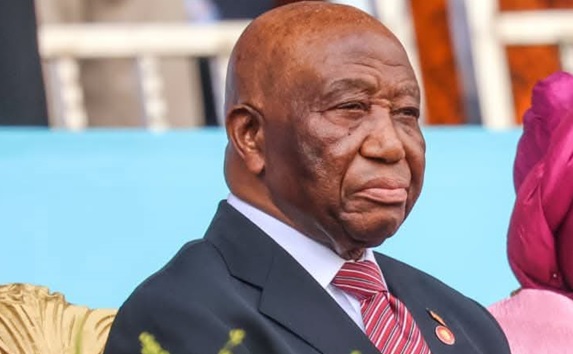
Liberia has again been ranked among the world’s most hunger-affected countries, according to the 2025 Global Hunger Index (GHI), intensifying pressure on President Joseph Nyuma Boakai’s administration as it confronts deepening food insecurity and worsening living conditions across the country.
The 2025 GHI indicates that Liberia remains in the “serious hunger” category, with an estimated score of about 30, reflecting persistent undernourishment, high child malnutrition, and weak resilience in food systems. The ranking places Liberia near the bottom globally and among the worst performers in West Africa.
The index, compiled by international development organizations using data from UN agencies, shows that hunger in Liberia remains structural rather than episodic, driven by poverty, weak agricultural productivity, poor infrastructure, and limited social protection systems.
Under the GHI framework, Liberia continues to record alarming levels of undernourishment, meaning a significant portion of the population does not have consistent access to sufficient calories. This reality is visible across both rural and urban communities, where food prices have risen while incomes remain stagnant.
Child malnutrition remains a major contributor to Liberia’s poor ranking. The GHI highlights high levels of child stunting, an indicator of chronic malnutrition that reflects long-term deprivation. Wasting among children under five, a sign of acute malnutrition, also remains a serious concern.
Child mortality linked to poor nutrition continues to weigh heavily on Liberia’s score, underscoring the connection between hunger, weak health systems, and preventable deaths. These indicators point to systemic failures rather than short-term shocks.
The 2025 findings come at a politically sensitive time for the Boakai administration, which took office pledging rescue, reform, and a renewed focus on the welfare of ordinary Liberians. However, the GHI results suggest that translating policy intentions into tangible improvements in food security remains a major challenge.
Liberia’s continued poor performance on the hunger index highlights the limitations of existing agricultural and food policies. Despite the country’s fertile land and favorable climate, domestic food production remains low, leaving the nation heavily dependent on imports and vulnerable to global price fluctuations.
The situation is further complicated by high unemployment and underemployment, which limit households’ ability to purchase food even when it is available. For many families, hunger is no longer seasonal but a daily reality shaped by economic hardship.
The Boakai administration now faces the difficult task of addressing hunger while grappling with fiscal constraints, weak institutions, and competing national priorities. Expanding social safety nets, supporting smallholder farmers, and stabilizing food prices require resources and coordination that have historically been lacking.
The GHI ranking also raises questions about policy coherence across government, particularly the alignment between agriculture, health, education, and social protection programs. Hunger, as reflected in the index, cuts across all these sectors.
Rural communities remain among the hardest hit, where poor road networks, limited access to markets, and lack of storage facilities continue to undermine food availability and farmer incomes. Urban poor communities, meanwhile, face rising food costs without corresponding wage growth.
The persistence of serious hunger challenges the administration’s broader development narrative and underscores the urgency of moving beyond long-term plans to immediate, targeted interventions that protect the most vulnerable.
With Liberia repeatedly appearing near the bottom of global hunger rankings, the Boakai government is under growing pressure to demonstrate measurable progress, not only through policy announcements but through outcomes that improve nutrition and food access.
The 2025 Global Hunger Index serves as a stark reminder that economic recovery and governance reform mean little if large segments of the population remain hungry. For the Boakai administration, hunger is no longer just a development issue but a defining test of leadership.