
MONROVIA, LIBERIA — Liberia is preparing to play an important role in international deliberations on maritime security, the protection of seafarers and the safety of critical global shipping routes as the International Maritime Organization (IMO) begins its 138th Council session in London, with growing attention on security concerns surrounding the Strait of Hormuz and the wider Persian Gulf.
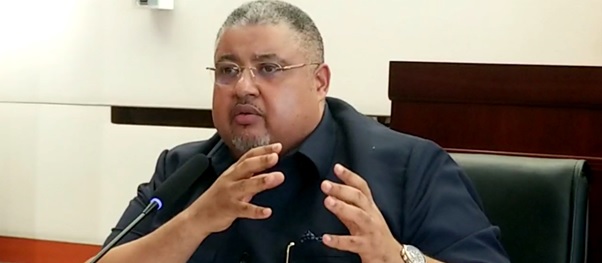
Liberia’s Permanent Representative to the IMO, Ambassador Robert Wilmot Kpadeh, announced the country’s priorities in a video update on Monday, November 2, describing the week-long Council session as consequential for international shipping and the global economy.
The session, scheduled for November 2–6, brings together the IMO’s 40-member Council to deliberate on several major maritime issues, including the protection of vital shipping lanes, freedom of navigation and the safety of seafarers affected by geopolitical tensions.
According to Ambassador Kpadeh, maritime security and the protection of shipping routes will feature prominently in the discussions, particularly in the Strait of Hormuz and the Persian Gulf, where security disruptions have raised concerns about the movement of commercial vessels and the safety of maritime workers.
The strategic importance of these waters extends far beyond the countries bordering the region. The Strait of Hormuz is a critical international maritime passage through which substantial volumes of petroleum and other commercial supplies move to international markets. Any disruption to shipping in the area can have consequences for energy supplies, transportation costs, commodity prices and economic stability across multiple regions.
Ambassador Kpadeh linked the security situation to rising international commodity prices, particularly petroleum, emphasizing that maritime instability can generate economic consequences that reach countries far removed from the immediate conflict zones.
He said Liberia would participate actively in discussions on securing international shipping lanes and ensuring that the principle of freedom of navigation is respected by all countries.
Beyond the protection of commercial vessels, the Liberian diplomat placed particular emphasis on the safety and welfare of seafarers, describing them as essential workers who leave their families and countries to transport goods, medicines and vital supplies across international waters.
He stressed that the people working aboard ships must not be overlooked when governments and international institutions discuss maritime security.
The Ambassador’s remarks reflect a growing recognition that the safety of international shipping cannot be separated from the protection of the men and women who operate vessels, maintain maritime supply chains and keep global commerce moving.
For Liberia, the discussions carry particular significance because of its extensive interests in international shipping and its position on the IMO Council’s Category A. The country is among 10 states elected to that category, which represents nations with the largest interests in providing international shipping services.
Ambassador Kpadeh said Liberia would present a strong position during the Council deliberations, emphasizing maritime security, international cooperation, maritime diplomacy and the protection of shipping routes.
He also disclosed that Liberia intends to engage other countries through bilateral discussions on the sidelines of the session to strengthen maritime relationships and identify opportunities for cooperation in advancing international shipping.
The Liberian delegation is led by the Commissioner of the Liberia Maritime Authority, Neto Zarzar Lighe, who, according to Ambassador Kpadeh, is expected to make several presentations on Liberia’s behalf during the proceedings.
The Council session comes at a time when the international maritime industry faces interconnected challenges involving geopolitical tensions, threats to shipping infrastructure, disruption of commercial routes and the vulnerability of seafarers operating in dangerous waters.
The IMO has identified the protection of vital shipping lanes, including the Strait of Hormuz, Black Sea, Sea of Azov and Red Sea regions, among the major issues on the agenda for the 138th session.
For Liberia, a country whose maritime interests extend well beyond its coastline through its international shipping registry, the outcome of these discussions has implications for its diplomatic influence and its participation in shaping international maritime standards.
Ambassador Kpadeh emphasized that the global economy depends heavily on international shipping, noting that the sector accounts for more than 85 percent of global trade and commerce. He said governments must work diligently to establish laws and regulations that protect both the industry and the people whose work sustains it.
Although the Council’s deliberations are still underway, Liberia’s announced priorities place the country within an important international discussion about how the global maritime community can protect commercial shipping, safeguard seafarers and preserve freedom of navigation.
As the week-long meeting progresses, the challenge will be translating diplomatic discussions and international commitments into practical measures capable of protecting vessels, maritime workers and the uninterrupted movement of goods across the world’s oceans.