MONROVIA – A renewed effort to strengthen relations between Liberia’s government and the media is taking shape following high-level discussions between the Publishers Association of Liberia (PAL) and the Ministry of Information.
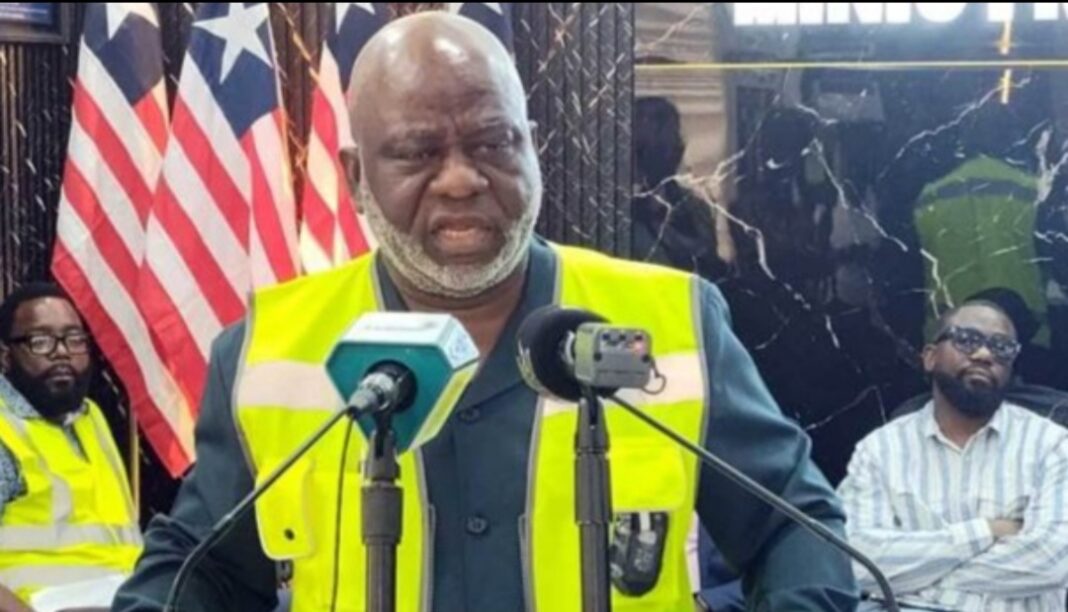
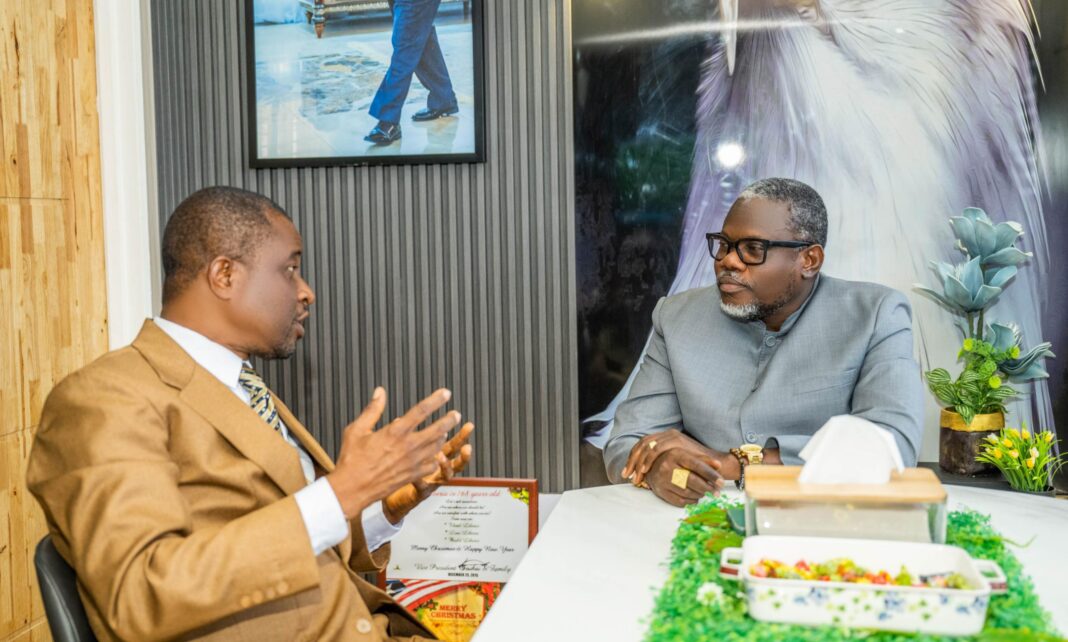
PAL President Alphonso Toweh and Information Minister Jerolinmek Mathew Piah met Monday as part of an ongoing dialogue aimed at improving cooperation between the government and the country’s media institutions.
The engagement followed an earlier meeting in which Minister Piah visited Toweh at his office, signaling what both sides described as a continued effort to build stronger institutional ties.
At the center of the discussions was the belief that government and the media can work together without compromising the independence of the press.
Toweh emphasized that the media’s responsibility to scrutinize government does not prevent it from being a partner in Liberia’s development.
He described the press as the voice of the people and a watchdog of governance, stressing that an effective partnership must be grounded in transparency, accountability, mutual respect, and professional engagement.
“The media is very important in every society,” Toweh said, while urging government officials to avoid language or conduct that could create unnecessary confrontation with journalists.
He specifically called on the Ministry of Information to work with security institutions to address concerns involving journalists and ensure that members of the press are protected while carrying out their duties.
Toweh also appealed to government officials to respond to journalists professionally, particularly when confronted with difficult questions or critical reporting.
He cautioned that derogatory remarks directed at journalists could damage the credibility of public institutions and weaken public confidence in government.
Beyond the concerns raised about press freedom and journalist safety, Toweh used the occasion to commend Minister Piah for what he described as significant improvements at the Ministry of Information.
Toweh praised the physical transformation of the ministry, saying the institution now reflects the appearance and purpose of a national information center.
“This Ministry now looks like a real Information Center,” Toweh said.
He also praised President Joseph Nyuma Boakai for appointing what he described as a developmental-minded individual to lead the ministry.
“We think that President Boakai made the right choice to bring a developmental person into this ministry,” Toweh remarked.
The praise represents a notable dimension of the meeting because the PAL president combined criticism of certain government practices with recognition of what he considers positive institutional changes.
Rather than presenting the media-government relationship solely through the lens of conflict, the engagement sought to establish a framework in which criticism, accountability, and cooperation can exist simultaneously.
Minister Piah welcomed the PAL delegation and reaffirmed the government’s willingness to maintain an open channel with the media.
He said the Ministry of Information would continue serving as a bridge between government institutions and the press, emphasizing that a strong media sector is necessary for democratic progress.
“As you know, the media is very important in every democracy. It helps a country move forward, and we as a government are committed to upholding this principle,” Piah said.
The discussions suggest an effort to move government-media relations beyond occasional confrontations toward regular dialogue and institutional cooperation.
Such cooperation could prove important in addressing recurring concerns involving journalists, security personnel, government communication, and access to public information.
For PAL, however, cooperation does not mean surrendering the press’s watchdog responsibility.
The association maintains that the media must remain independent enough to question government decisions and expose issues affecting the public while maintaining professional standards.
The Ministry of Information’s role, meanwhile, is expected to remain central to facilitating communication between government and the press.
The meeting concluded with both sides reaffirming their commitment to dialogue, cooperation, and mutual respect.
The emerging relationship will ultimately be judged not only by meetings and public statements, but by whether journalists are able to work safely, whether government institutions remain accessible to scrutiny, and whether disagreements can be resolved through professional engagement rather than confrontation.