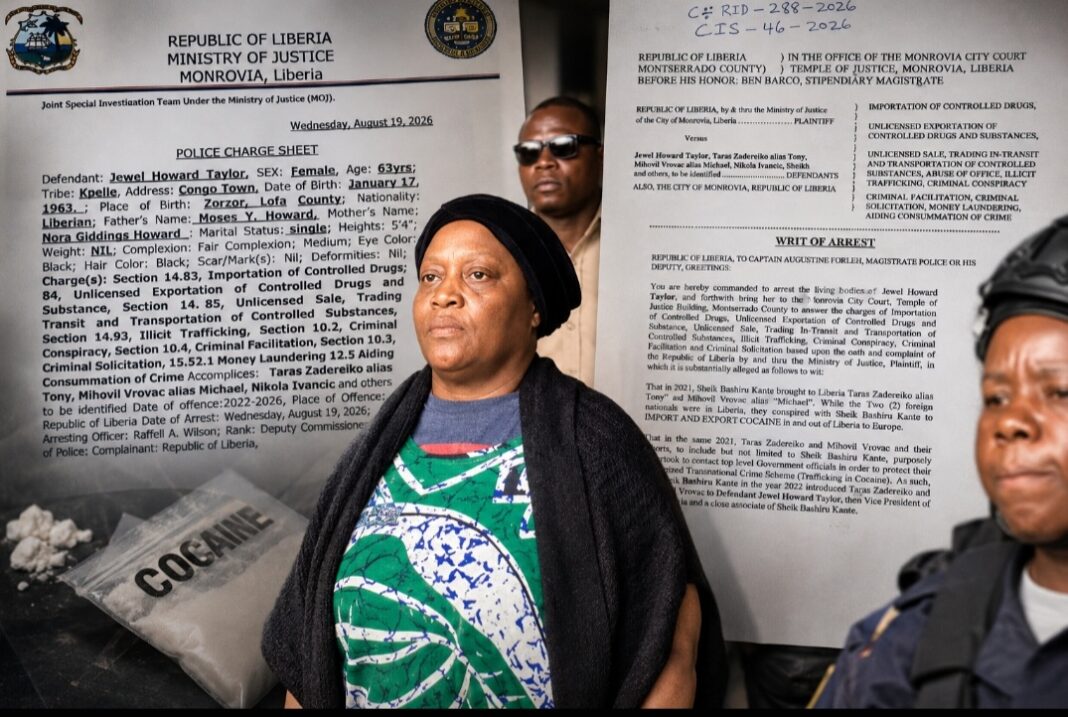
MONROVIA, LIBERIA — In a poignant moment in court on Tuesday, former Vice President Jewel Howard-Taylor was overcome with emotion as Judge Ben Barco announced his decision. While he granted her request for a preliminary examination as a matter of law, he denied her plea for compassionate detention, ordering that she remains at the Monrovia Central Prison.
This ruling marked a significant emotional shift in the proceedings surrounding the former Vice President, who is currently under investigation.
Judge Barco’s decision meant that Taylor would not be granted the compassionate detention she sought, leaving her to continue her confinement at the nation’s central correctional facility.
As the judge read his ruling, Howard-Taylor was visibly moved, shedding tears and transforming what had been a closely monitored legal case into a deeply personal experience for the former high-ranking official.
The court’s decision means that while it approved the defense’s request for a preliminary examination as required by law, it did not grant the humanitarian relief that Howard-Taylor was seeking.
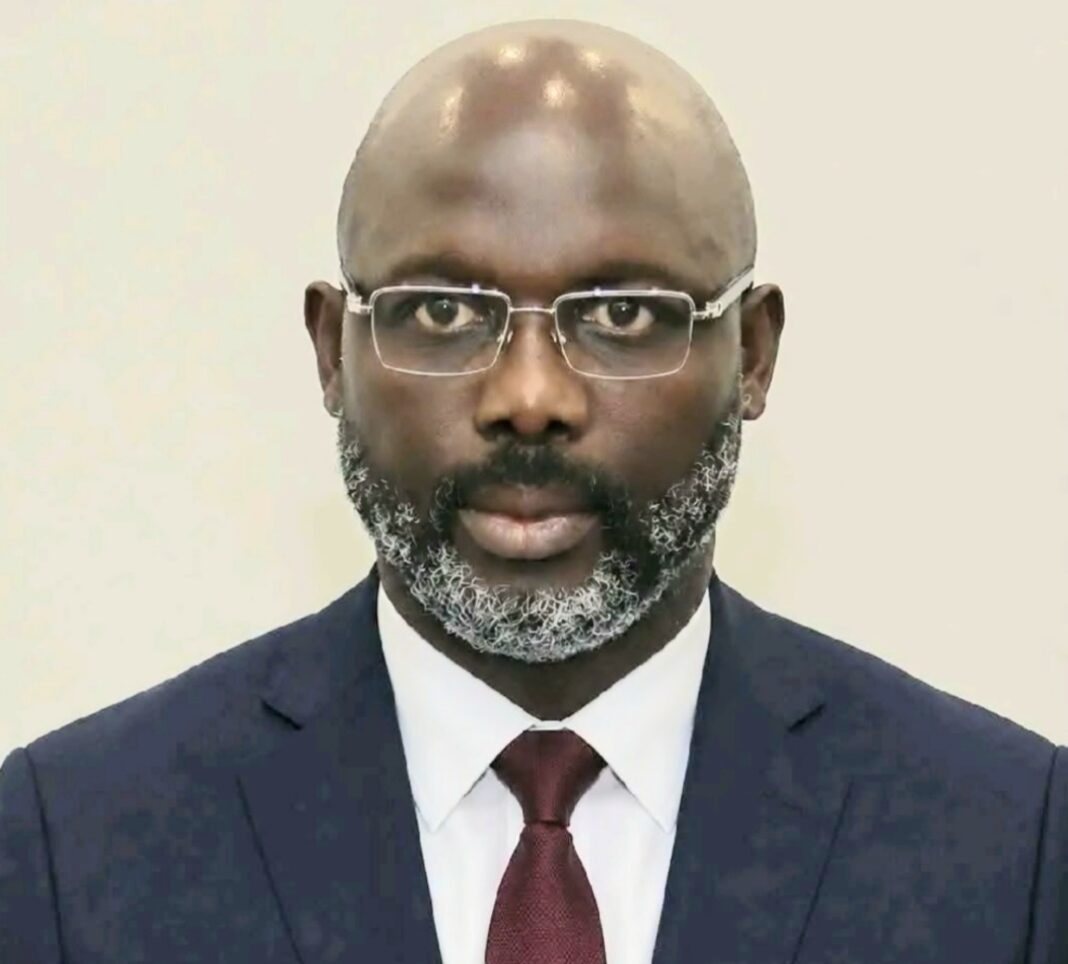
Howard-Taylor, who served as Liberia’s Vice President from 2018 to 2024 under former President George Weah, has drawn significant public interest due to her high-profile role in government.
According to reports, she was arrested on 19 August and has since been charged and detained as part of an ongoing investigation into a cocaine-related case.
The details of this case have sparked a lot of public curiosity and heightened security concerns around the Monrovia Central Prison.
On Tuesday, reports indicated that there was an increased security presence at the facility as authorities braced for Howard-Taylor’s confinement.
The allegations against Howard-Taylor are still up for the courts to decide, and her being held doesn’t mean she’s guilty. The key question for Judge Barko wasn’t just about whether the former veep would get a preliminary examination; it was also about whether she could avoid regular confinement for compassionate reasons.
The judge approved the preliminary examination as required by law but chose not to grant her compassionate detention.
While the preliminary examination allows the legal process to tackle the issues surrounding the allegations, compassionate detention would have offered Howard-Taylor a different kind of custody based on humanitarian grounds.
After her request was turned down, Howard-Taylor found herself locked up in the Monrovia Central Prison. For those following the trial, the most memorable moment wasn’t the legal jargon but rather Howard-Taylor’s emotional response.
The former Vice President, who once held one of the most influential positions in Liberia, was clearly overwhelmed as the reality of the ruling sank in.
Her tears highlighted the stark contrast in her situation—from being the second-highest official in the country to now facing life behind bars.
This scene served as a poignant reminder of the unpredictability and personal toll that comes with criminal cases, no matter how high a defendant once stood in the political arena.
With Judge Barco’s ruling now in the books, all eyes will shift to the preliminary examination and the evidence that both the prosecutors and Howard-Taylor’s defense team will bring to the table as the case unfolds.
For the former Vice President, Tuesday’s decision marks a notable setback in her quest for more favorable detention conditions.
The allegations still need to be thoroughly examined in court, where the prosecution will have the task of proving its case, while the defense will get the chance to scrutinize the evidence and safeguard Howard-Taylor’s rights.
For Liberia, this case has turned into a closely monitored test of the nation’s justice system and its dedication to upholding the law, no matter a person’s political standing.
On Tuesday, the law created a moment that was hard to distinguish from the person standing in front of the judge.
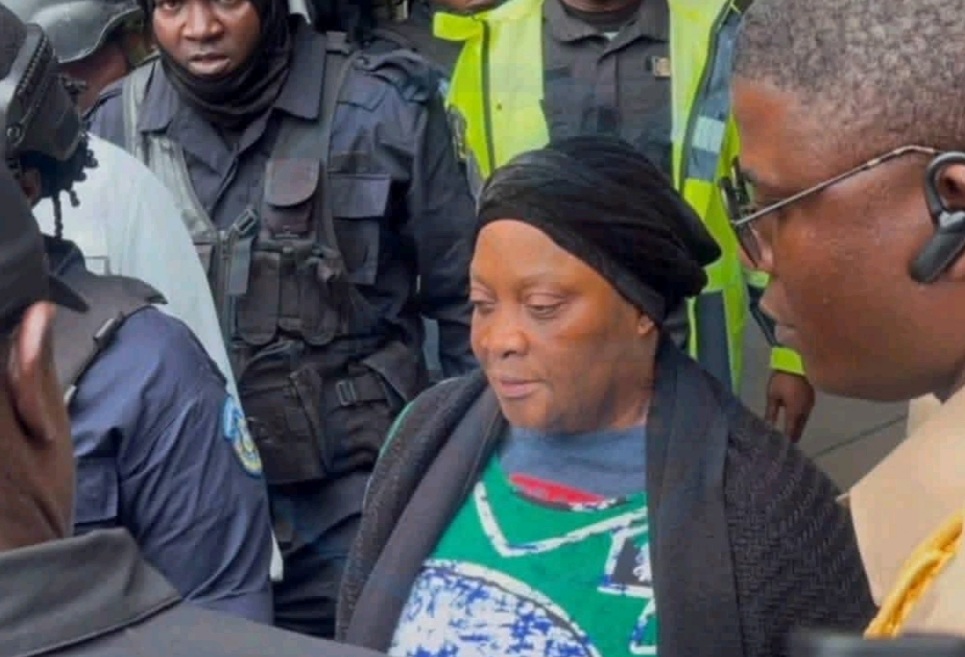
As she walked out of the courtroom, heading towards confinement at the Monrovia Central Prison, a former Vice President faced one of the most significant moments of her life after leaving office.
Tuesday’s events certainly unfolded the tale of two tears, two pains: Jewel Howard-Taylor’s most challenging days, as there are tears shed for the loss of a loved one, and then there are those tears that flow when you’re faced with the possibility of losing your freedom.
For former Vice President Howard-Taylor, the year 2026 has brought both kinds of sorrow. Earlier this year, she faced the heartbreaking loss of her only son, Charles Philip Nelson Taylor, who passed away in January after a long battle with illness.
The grief she experienced was that of a mother grappling with an unimaginable void, and her public statements in the aftermath revealed just how profound that pain truly was.
Months later, on 25 August, another heart-wrenching moment took place. When Judge Barco denied her plea for compassionate detention and ordered her to be sent to the Monrovia Central Prison, Howard-Taylor broke down in tears once more.
But these tears told two very different stories. The first was born from the heartache of losing a son. The second stemmed from the crushing reality of losing her freedom.
One was the sorrow of a mother bidding farewell to her child, while the other was the torment of a former Vice President facing the grim prospect of imprisonment and an uncertain legal fight ahead. In those moments, all titles faded away.
There was no Vice President, no politician, and no former First Lady in sight. Just Jewel Howard-Taylor—a grieving mother one moment, and a woman facing the tough reality of a court ruling the next.
That contrast is what makes these images so striking: two tears, months apart, yet each one lays bare the humanity of one of Liberia’s most well-known political figures.
The first tear represented a loss she could never reclaim. The second tear spoke of a destination she dreaded to face.