By Staff Writer | Smart News Liberia
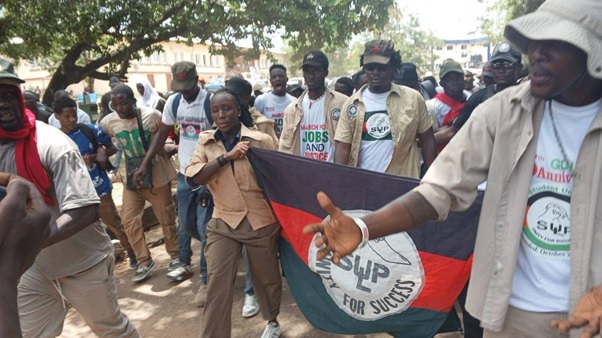
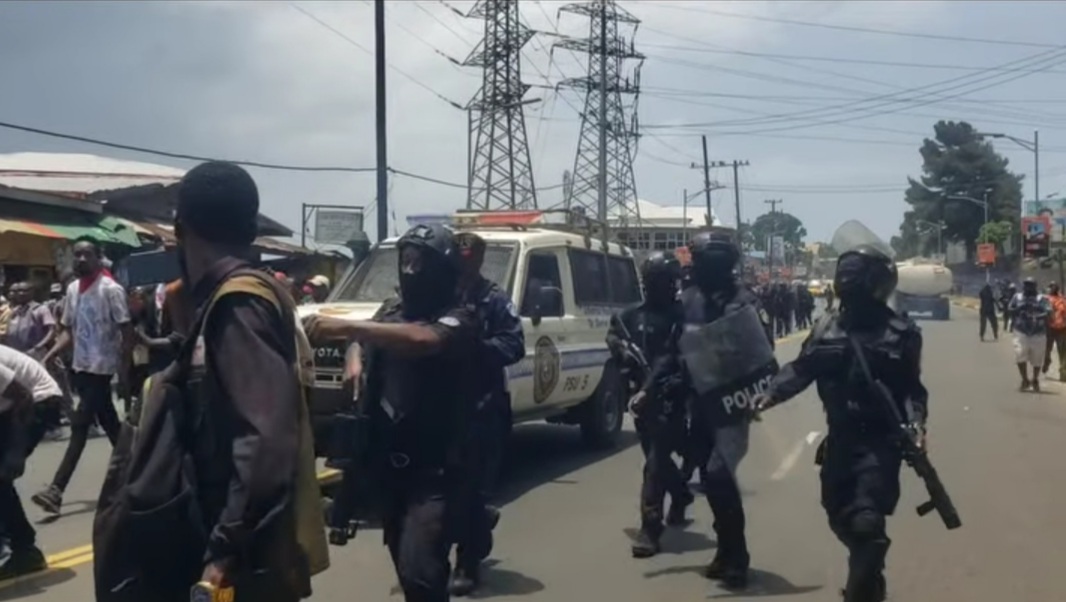
MONROVIA – Heavy clashes broke out between protesting students from the Student Unification Party (SUP) and officers of the Liberia National Police (LNP) on Capitol Hill, Monrovia, on Tuesday, April 14, 2026. The demonstration, organized under the banner “Jobs and Justice,” sought to pressure the Unity Party government of President Joseph Nyuma Boakai to address the growing unemployment crisis and deliver justice for ordinary Liberians. However, what was meant to be a peaceful protest ended in chaos as police responded with force, tear-gassing the protesters and violently chasing them away.
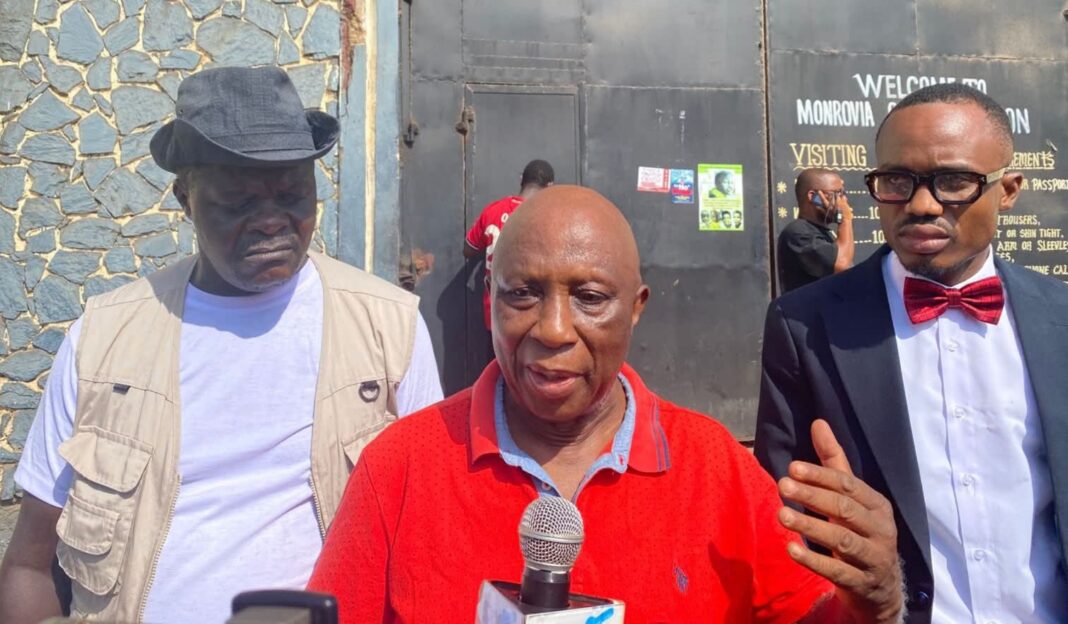
The violent police action has since drawn sharp criticism from various quarters, notably former Minister of Mines and Energy, Wilmot Paye. Paye expressed his disapproval of the LNP’s tactics, calling the violent crackdown “totally out of place” and highlighting the historical context of such police overreach. “Unleashing violence against students in any form, manner, or shape is always totally out of place. There was no need for it in July 22, 1984. There was no need for it in March 1986. There was no need for it on March 21, 2001. There was no need for it on July 26, 2022. There was no need for it on April 14, 2026, and there certainly won’t be any need for it tomorrow,” Paye stated, calling for a peaceful resolution to the crisis.
Paye’s comments struck a nerve, as he warned that such police aggression only exacerbates the political and social tensions in Liberia, a country already fraught with unrest and global instability. “The police should stop creating sensations and tensions that have the potential to scare people away from the country, especially in these times of growing global tensions when Guinean troops still occupy a portion of Liberian territory,” Paye added. The former minister’s words resonate deeply with Liberians who are increasingly concerned about their country’s stability.
The protest began at the University of Liberia, located on Capitol Hill, with Chairman Odecius Mulbah leading the charge. Mulbah, along with other students, promised a peaceful march aimed at delivering a petition to the government. However, the situation quickly took a turn for the worse when the police began to follow the demonstrators. As the group reached the Conex gas station at the Capitol Bypass, police fired multiple rounds of tear gas, abruptly ending the protest.
The tear gas forced the students, along with journalists and pedestrians, to flee for their safety. Witnesses described scenes of chaos as the air thickened with gas and students scrambled for cover. The police, in their bid to control the protest, also chased down several fleeing students and arrested at least eight individuals. Reports of police brutality during the arrests surfaced, with claims of students being manhandled and subjected to physical abuse.
Among those arrested was a student from the Starz Institute of Technology, whose detention reportedly included allegations of him being physically assaulted by police officers. In a particularly alarming account, it was claimed that the student’s phone was stolen and other personal belongings were damaged during the arrest. The distressing reports have triggered outrage among the student community and human rights advocates.
Former Montserrado County Representative Acarous Moses Gray, a staunch defender of the students, condemned the actions of the police. Gray publicly demanded the unconditional release of the 19 detained students, highlighting disturbing reports of torture in police custody. “We demand an unconditional release of these students. Former notorious SOD (Special Operations Division) member Boston Coleman must unconditionally release Foday and those young ladies for fear of torture, rape, and sodomy being reported from security cells,” Gray wrote, amplifying calls for justice and accountability.
Gray’s statement has sparked a wider debate about police conduct and the treatment of detainees in Liberia. Many citizens are questioning whether the country’s security forces are prioritizing public safety or engaging in unnecessary violence against its own people. The alleged abuse of students in police custody only adds fuel to the fire of public dissent.
The incident has also drawn attention to the broader issue of governance under the Boakai-Koung administration, with critics pointing to the government’s failure to provide adequate employment opportunities and social justice. While the students’ primary demand was for jobs and justice, the violent response from the police has shifted the narrative, highlighting the tensions between the government and its citizens.
The clash also brings into sharp focus the precarious state of Liberia’s political environment. The country is still recovering from a long history of civil unrest and political instability, and the recent police crackdown has raised concerns about the potential for further violence. Human rights organizations have already expressed alarm, calling for an independent investigation into the incident and accountability for those responsible.
Against this backdrop, former Minister Wilmot Paye’s comments serve as a reminder of the long-standing struggle for student rights and the urgent need for a more peaceful and inclusive approach to governance. His call for restraint and dialogue resonates deeply with many who fear that violence will only deepen Liberia’s political divide, further hindering efforts to achieve the jobs and justice that ordinary citizens desperately need.
The events of April 14, 2026, will undoubtedly have lasting repercussions on Liberia’s political landscape, as the student protests and police actions are bound to shape public discourse in the days and weeks to come. The government’s response to these protests will be closely watched, with citizens hoping for a more just and peaceful resolution to the tensions that continue to simmer beneath the surface.