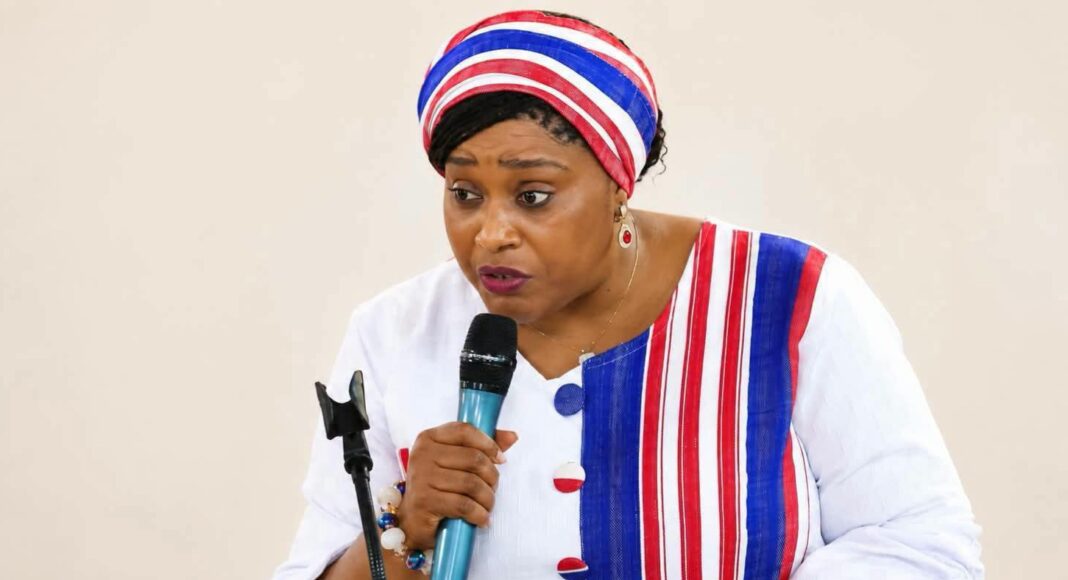
MONROVIA, LIBERIA – Education Minister Jarso Jallah has declared that Liberia’s next generation of responsible citizens must be built in the nation’s classrooms, as the Ministry of Education officially restores Civics Education to primary schools and introduces standardized textbooks for the subject.
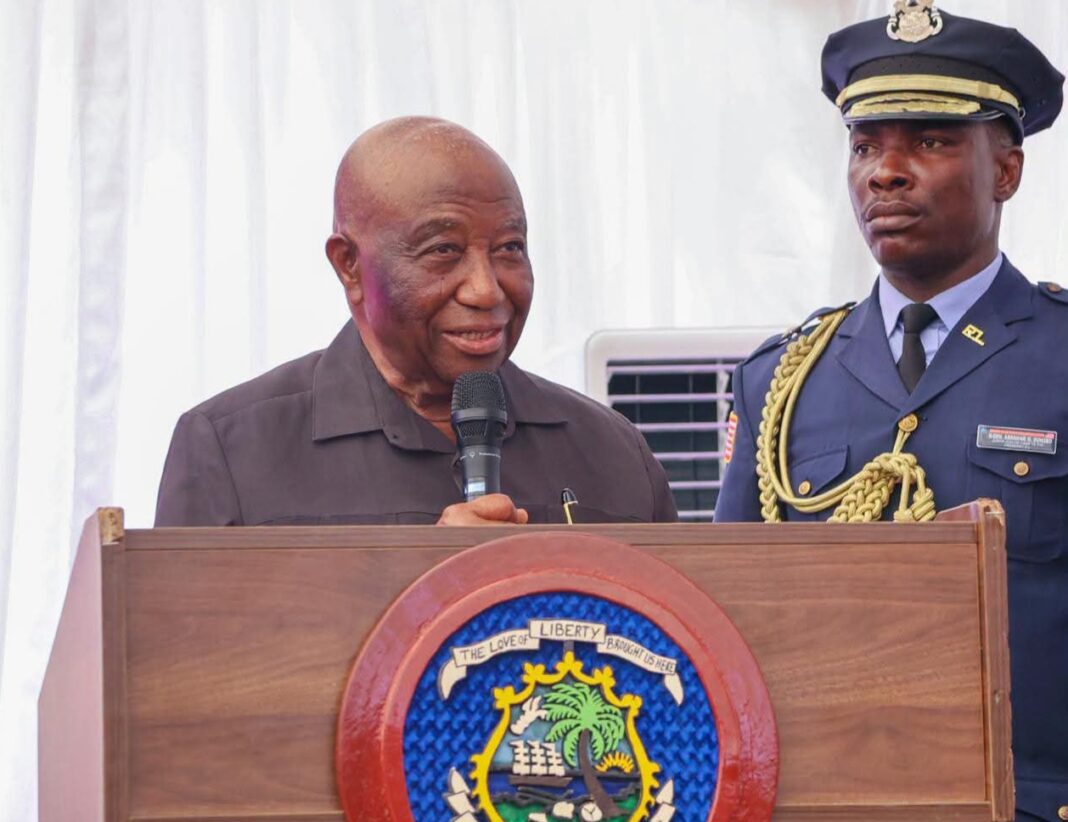
Jallah made the declaration on Monday, August 24, 2026, at the Executive Pavilion in Monrovia during the celebration of Liberia’s 179th National Flag Day, describing the return of Civics Education as an important investment in the country’s future.
She said Liberia cannot expect children to become responsible citizens simply by teaching them how to identify the national flag, recite the national anthem or respect national symbols.
Instead, students must understand the meaning of citizenship and the responsibilities that come with being Liberian.
According to the Minister, civic education should help children understand the society they are part of and the role they will eventually play in shaping its future.
She said students need to learn how democratic institutions function, what rights citizens possess and what responsibilities accompany those rights.
Jallah also highlighted the importance of teaching children how to manage disagreements.
She said young Liberians must understand that disagreement is a normal part of democratic life and that people with different opinions should not automatically be treated as enemies.
The Minister’s message places Civics Education at the center of Liberia’s efforts to strengthen national cohesion and democratic culture.
She said the subject should help students develop the ability to participate constructively in society while respecting the rights and views of others.
The Ministry’s decision to restore Civics Education is being accompanied by the official launch of standardized Civics textbooks for primary schools.
Jallah expressed appreciation to Wahala Publishing Company for supporting the initiative.
The standardized materials are intended to give schools and teachers structured resources for teaching the subject and ensuring that students across Liberia receive a consistent foundation in civic knowledge.
But Jallah warned that textbooks alone cannot produce responsible citizens.
She said children also learn from what they see adults doing every day.
Parents, teachers, community leaders, public officials and institutions must therefore become examples of the citizenship values being taught in classrooms.
“If we teach children to respect the law, adults must demonstrate respect for the law,” her remarks emphasized.
Likewise, she said adults cannot expect young people to prioritize national interests while repeatedly placing personal, political, ethnic or other loyalties above the country.
The Minister called for a society in which citizenship is demonstrated through conduct rather than simply discussed in classrooms.
She said good citizenship should be reflected in how Liberians treat one another, resolve disagreements, respect institutions and contribute to their communities.
Jallah connected the return of Civics Education to President Joseph Nyuma Boakai’s broader national call to “Think Liberia, Love Liberia, and Build Liberia.”
She said the message should resonate particularly with children because building Liberia requires citizens who understand that their relationship with the country involves both rights and responsibilities.
The Education Minister said patriotism should therefore not be reduced to ceremonies or displays of national symbols.
Instead, children should learn that loving Liberia requires responsible action and a commitment to the country’s future.
Her remarks came as President Boakai also highlighted civic education during his Flag Day address.
The President announced that Civics Education was being reintroduced in primary schools and that standardized civics textbooks were being officially launched nationwide.
Boakai said the initiative would help restore knowledge of Liberia’s history, Constitution, national symbols, rights and responsibilities and the principles of citizenship.
The President also challenged students to live out the principles contained in Liberia’s national pledge by respecting fellow citizens, obeying the law, rejecting violence, protecting national symbols and preparing themselves to serve the country.
Jallah’s message expanded on that vision by focusing on the role of the education system in shaping the character of future generations.
She said teachers must ensure that civic lessons are not confined to memorizing definitions or preparing students for examinations.
Instead, students should be encouraged to understand how the principles they learn apply to their daily lives.
That includes learning how to engage in respectful discussions, understand different perspectives and peacefully resolve disagreements.
The Minister said such lessons are particularly important for a country seeking to strengthen democratic values and national unity.
By exposing children to civic principles from the primary level, the Ministry hopes to develop young people who enter adulthood with a stronger understanding of their place in society.
Jallah also stressed that students must understand what they have inherited from previous generations.
Liberia’s history, she said, carries both achievements and responsibilities.
Young people therefore need to understand the significance of national symbols and the sacrifices that shaped the Republic while also recognizing that they have a role in determining what Liberia becomes in the future.
The Minister said this responsibility extends beyond government.
Families and communities, she noted, are equally important to the development of responsible citizens.
Children observe how adults behave and often learn lessons from those observations that are more powerful than anything written in a textbook.
That means parents and community members must reinforce the principles being taught in schools.
Jallah’s comments effectively placed the responsibility for civic development on the entire society.
Schools may provide the formal instruction, but families, communities and public institutions must provide the practical examples.
The Education Minister’s focus on citizenship also comes as Liberia seeks to strengthen democratic institutions and national cohesion.
She said children should grow up understanding that political and social differences are not reasons for hatred.
Instead, disagreement should be treated as part of a democratic society.
The ability to disagree peacefully, listen to others and respect opposing views, she suggested, should become part of the culture students carry from classrooms into adulthood.
The reintroduction of Civics Education is therefore being positioned as more than an academic reform.
It is part of a broader effort to shape the attitudes and behavior of future Liberian citizens.
Jallah concluded by stressing that the country’s future is already taking shape in schools across Liberia.
“The future of Liberia is already being shaped in the nation’s classrooms,” she said.
Her message places a significant responsibility on teachers and school administrators to ensure that the renewed Civics Education program produces more than students who can pass examinations.
The ultimate goal, she said, is to produce Liberians who understand their rights, fulfill their responsibilities, respect democratic principles, value national unity and are prepared to contribute to the country’s development.