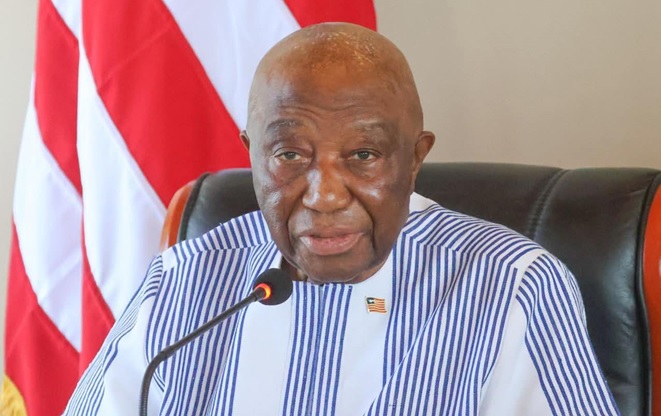
MONROVIA – President Joseph Nyuma Boakai is facing an increasingly direct political challenge from within his own Unity Party, as a group of aggrieved partisans publicly accused his administration of drifting away from the grassroots supporters who helped deliver the presidency to the party and warned that continued neglect of their concerns could erode public confidence in the government.
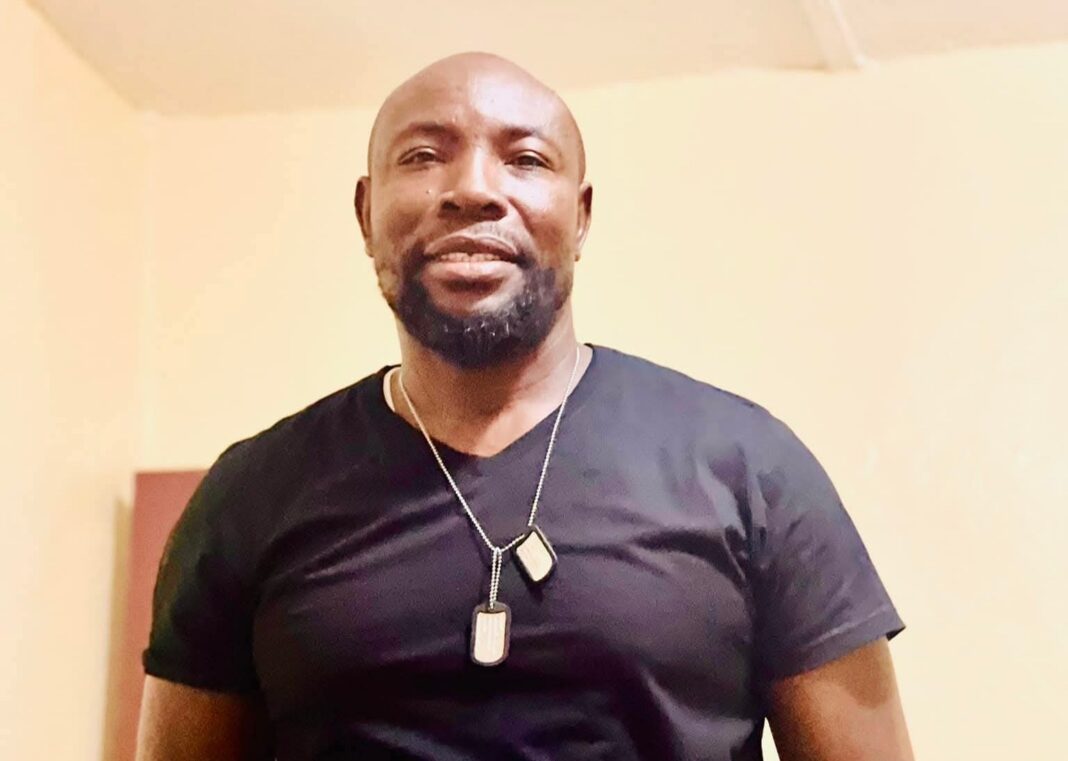
The criticism was contained in a statement issued on Tuesday, September 8, 2026, in Monrovia under the signature of Jeremiah Gayflor of Montserrado County, who identified himself as spokesperson for the aggrieved Unity Party partisans. The group said its concerns represent a growing cross-section of party members, including individuals associated with the Youth League, Women’s League and other ranking partisans who, according to the statement, are increasingly disappointed with the direction of the government.
The development is politically significant because the criticism is coming from within the ruling party rather than from opposition forces. The aggrieved partisans emphasized that they are not seeking to undermine President Boakai or destroy the Unity Party, but are speaking publicly because they believe internal concerns are becoming too serious to remain unaddressed. They said remaining silent while supporters lose confidence in the government would amount to political betrayal.
The statement directly challenged the President to reconnect with the grassroots constituency that campaigned for him and helped return the Unity Party to power. According to the partisans, they supported Boakai because they believed his long record of public service would translate into competent leadership, accountability, responsiveness and meaningful change for ordinary Liberians. They now contend that many of those expectations are being replaced by growing frustration.
At the center of their complaint is what they describe as a widening gap between the government and the daily realities confronting citizens. The partisans pointed to high living costs, unemployment, struggling businesses and the difficulties families face in meeting expenses for food, transportation, rent, education and healthcare. They argued that government achievements cannot be judged solely by economic indicators when ordinary Liberians continue to feel the pressure of rising living costs.
Their criticism carries a potentially important political warning for the administration. Grassroots partisans are often the political machinery that mobilizes voters, defends the government in communities and maintains party structures between elections. When dissatisfaction begins emerging from that constituency, it can become a political liability if not addressed, particularly as the government moves closer to the next electoral cycle.
The group’s message to President Boakai was therefore framed as a call for political correction rather than an immediate break with the party. They urged the President to listen more closely to ordinary supporters and to recognize that loyalty to the Unity Party does not require blind support for every decision made by the administration.
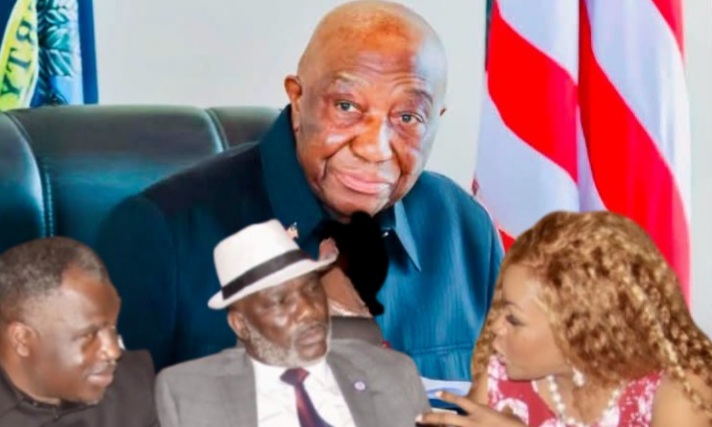
The partisans also raised concerns about the government’s handling of the ongoing narcotics controversy, arguing that the fight against drugs must be conducted without political favoritism. They referenced allegations involving several individuals, including President Boakai’s son, JoJo Boakai, and Police Inspector General Gregory Coleman, while stressing that the allegations remain allegations and that no individual should be considered guilty without due process.
Their demand, they said, is for credible allegations to be investigated impartially by competent law-enforcement institutions without political interference. The group argued that political proximity should not provide protection from legitimate scrutiny and maintained that an independent investigation would help strengthen rather than weaken public confidence if there is no wrongdoing.
The partisans also criticized what they described as an increasingly hostile approach to government criticism. They called for government officials and spokespersons to respond to critics with facts and evidence rather than insults or political attacks. Their argument is that an administration confident in its performance should be capable of tolerating criticism and responding through public information rather than confrontation.
Another concern raised by the group involves monetary policy and the continued public debate surrounding the printing and circulation of Liberian dollars. The partisans demanded greater transparency from the government and questioned why favorable movements in the exchange rate have not necessarily resulted in corresponding reductions in the prices of basic commodities.
They also called attention to the Guinea-Liberia border situation in Lofa County, warning that communities along the border require stronger government attention because unresolved territorial or security concerns could have wider national implications.
Taken together, the complaints reveal a broader concern about political communication, economic hardship, accountability and the relationship between the ruling party and the administration it helped elect.
The most politically consequential part of the statement, however, may be its insistence that loyalty to the Unity Party cannot be equated with unquestioning loyalty to the government. The partisans declared that the party is larger than one presidency and that Liberia is larger than the Unity Party.
That message places President Boakai in a delicate political position. A government cannot realistically satisfy every supporter, and internal criticism is normal within any political organization. But when criticism begins to involve multiple segments of a ruling party’s grassroots structure, it can become an indication that the administration needs to improve communication, manage expectations and address concerns before they develop into deeper political disillusionment.
The statement also reflects the difficult transition from campaigning to governing. During an election campaign, political supporters are mobilized around promises and expectations. Once a party assumes power, those expectations become demands for visible results. The same citizens who defended the government during the campaign can become its most demanding critics when economic pressures remain unresolved.
For President Boakai, the challenge is therefore not simply to dismiss the criticism as partisan frustration. The administration must determine which concerns can be addressed immediately, which require longer-term policy solutions and where better communication could prevent unnecessary mistrust.
The aggrieved partisans have made clear that they are not calling for the collapse of the government. They are calling for what they describe as a course correction.
Their final appeal was direct: President Boakai should listen to the people who put him in office, including market women, unemployed young people, civil servants, students, farmers, border communities and ordinary Unity Party members.
The significance of the statement is ultimately found in that internal warning. Opposition criticism can easily be dismissed as political strategy, but criticism from members of the governing party carries a different political message. It suggests that the administration’s challenge is no longer only defending itself against opponents but also maintaining confidence among the supporters who helped bring it to power.
For the Boakai administration, the statement may therefore be less a declaration of rebellion than a warning that political loyalty has limits and that grassroots patience cannot be assumed indefinitely.
The aggrieved partisans say they remain committed to the Unity Party, but they have also made their priority clear. Their loyalty to the party does not come before their loyalty to Liberia.