
By Socrates Smythe Saywon | Smart News Liberia
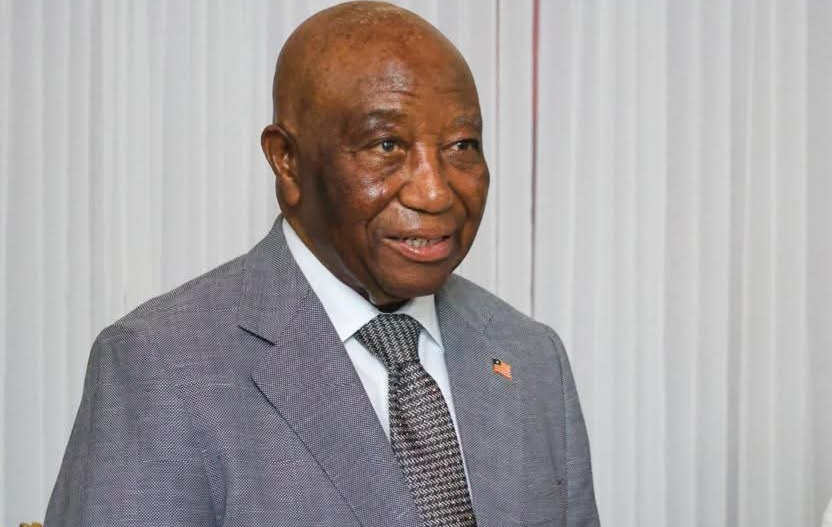
MONROVIA – President Joseph Nyuma Boakai has directed a temporary pause on the implementation of new tourism-related regulations introduced by the Liberia National Tourism Authority (LNTA), citing the need for broader consultation and careful assessment of the policies’ impact on businesses and the public.
Speaking at the opening of the Cabinet meeting on Thursday, April 9, 2026, President Boakai acknowledged the efforts behind the proposed measures but emphasized that “despite reports the regulations have been signed, they should not take effect immediately.” He called on authorities to review the fee structures carefully to ensure they do not place an undue burden on industry stakeholders.
The President stressed that the pause is necessary to align the proposed policies with Liberia’s economic realities. “We must ensure that these measures are realistic and support both the growth of tourism and the welfare of our people,” he said, signaling a government priority to balance regulation with accessibility.
President Boakai’s statement comes amid rising public attention over LNTA’s fee schedule, which includes annual licensing fees of US$50 for local cook bowl shops, small eateries serving traditional Liberian dishes, among other categories. Many small business owners have voiced concerns about affordability and the potential impact on their operations.
Earlier, on April 7, 2026, the LNTA, in collaboration with the Ministry of Finance and Development Planning, released a comprehensive fee structure for tourism, hospitality, and cultural businesses nationwide. The announcement, signed by LNTA Director General Hon. Princess E. Cooper and Finance Minister Augustine Kpehe Ngafuan, outlined annual licensing fees across a broad spectrum of enterprises.
The framework categorizes hotel institutions by rating, with five-star hotels with casinos paying up to $2,000 annually, four-star hotels at $1,500, and three-star hotels at $1,000. Smaller establishments, including guest houses and motels, face fees as low as $200, reflecting an attempt to accommodate varying levels of business capacity within the sector.
Short-term rental services, including AirBnB-style accommodations, are also addressed. Complexes with 10 bedrooms or more will pay $1,000 annually, while smaller units such as one-bedroom apartments are charged $200. Entertainment and leisure businesses are included, with nightclubs paying $500 annually and recreational or sports bars paying $200. Beach facilities are tiered, with top-tier recreational beaches paying up to $500, while less developed sites pay $100.
The food and beverage sector is similarly impacted. Restaurants and fast-food outlets are set at $200 annually, coffee shops at $150, and smaller local eateries serving more than five dishes at $50. Aviation and travel agencies face fees ranging from $200 to $2,000 depending on size and international reach, while tour operators pay $200 annually.
Visitor services and attractions such as parks, gardens, and conference centers are required to pay $300 annually. Cultural events and pageantry also fall under the new regime, with major pageants such as Miss Liberia paying up to $5,000, while smaller pageants and school competitions pay between $150 and $500. Creative industries, including musicians’ unions, film associations, and fashion designers, face fees from $25 to $200.
In a previous statement, the LNTA emphasized that the new licensing structure aims to enhance regulation, improve service standards, and boost government revenue. “These measures are designed to formalize and strengthen Liberia’s tourism and cultural industries, ensuring a sustainable and globally competitive sector,” the authority said.
Despite LNTA’s assurances, the fee regime has already sparked debate among small and medium-sized businesses. Critics argue that some of the proposed fees, particularly for local food centers and cultural organizations, could strain resources and limit participation.