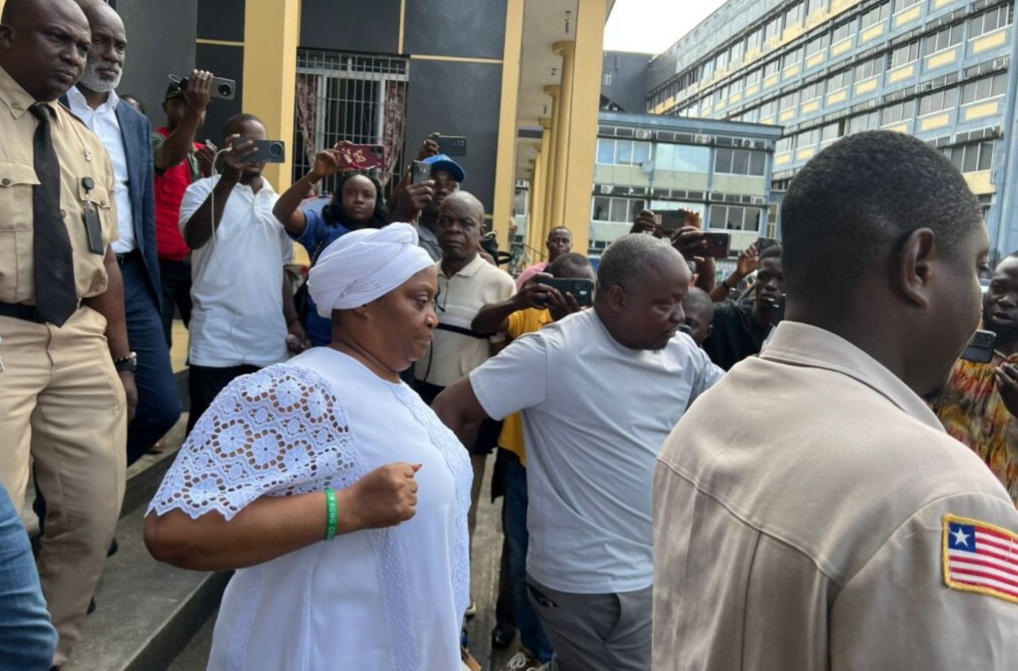
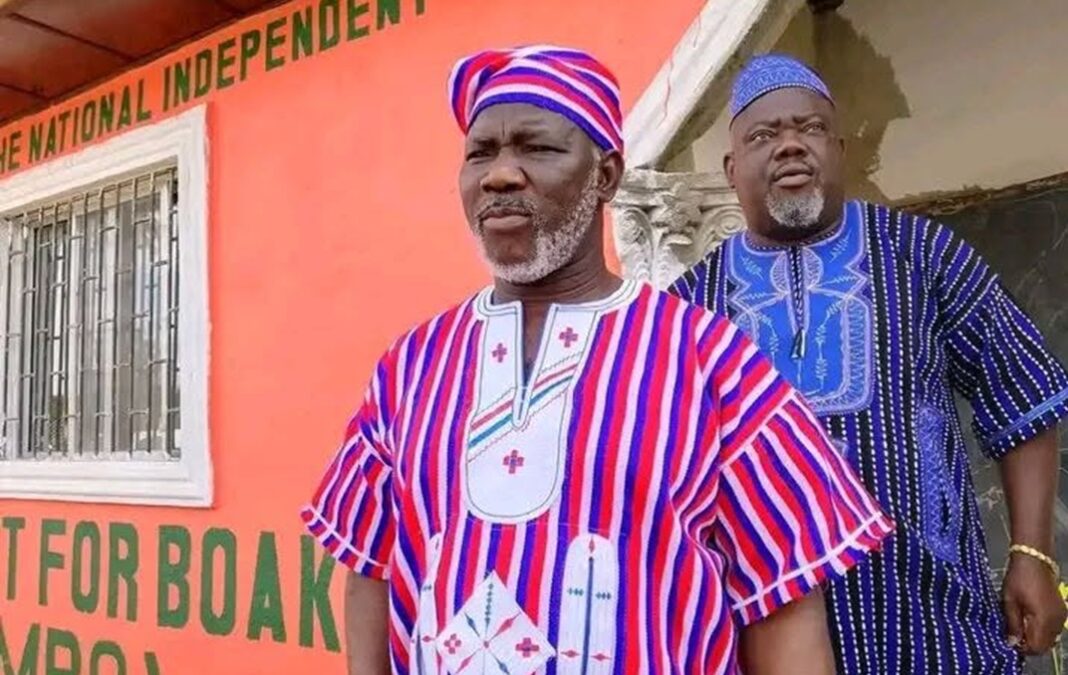
MONROVIA, LIBERIA — Tensions are reportedly escalating within Liberia’s House of Representatives, with a group of lawmakers under the banner of the Reformists Movement demanding the resignation of Speaker Richard Nagbe Koon, Deputy Speaker Thomas Fallah, and the Chair of the House Ways and Means Committee over what they describe as serious financial and administrative violations.
At the center of the lawmakers’ complaints is an allegation that more than US$5 million in legislative funds and lawmakers’ benefits remain inadequately accounted for, raising fresh questions about financial management, transparency and accountability within the 55th Legislature.
The Reformists say their concerns are contained in a resolution outlining 12 alleged financial and administrative violations involving the management of resources belonging to the House and its members.
Among the issues raised are alleged alterations to budgetary allocations, questions surrounding the management of constituency funds, and concerns over the use of resources reportedly earmarked for development programs.
The lawmakers further allege that funds intended to support constituency initiatives and development projects were either misappropriated or utilized without the required authorization.
However, the allegations remain claims advanced by the lawmakers and have not been independently established as fact. Any determination of wrongdoing would require access to financial records, supporting documentation and a formal investigation by the appropriate authorities.
64-Vehicle Convoy Takes Dispute to Vice President
The confrontation reportedly took a dramatic turn over the weekend when the Reformists traveled in a convoy of approximately 64 vehicles to the residence of Vice President Jeremiah Kpan Koung.
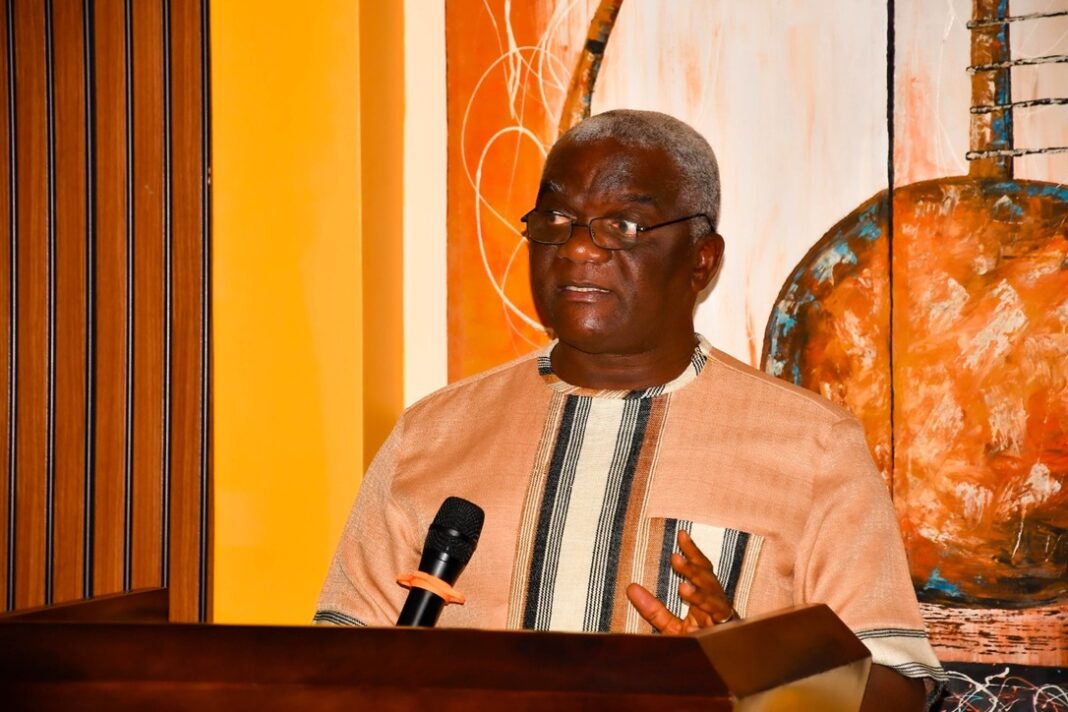
The lawmakers reportedly presented their resolution to the Vice President, asking him to intervene in what they characterized as serious concerns over the administration and financial management of the House of Representatives.
Sources familiar with the meeting said Vice President Koung expressed concern about the allegations and requested one week to examine the issues presented.
He reportedly indicated that he would use the period to review the allegations, consult relevant stakeholders and determine an appropriate response.
The Vice President’s reported involvement could add another dimension to an already sensitive institutional dispute, particularly if the allegations eventually lead to a formal investigation or broader political confrontation.
Another Leadership Battle Brewing?
The latest development is not occurring in isolation.
The House has experienced previous disagreements over leadership, institutional authority and financial administration. In December 2025, a group identifying itself as the 55th Legislative Reformist Movement reportedly threatened measures against the leadership of the House, including possible efforts to remove Speaker Koon.
The renewed challenge now appears to be moving beyond internal complaints.
The Reformists are reportedly threatening to take their demands directly to the floor of the House if their call for the resignation of the Speaker, Deputy Speaker and Ways and Means Committee Chair is not addressed.
Such a move could trigger another major leadership confrontation within the 55th Legislature and test the balance of power inside the House.
The US$5 Million Question
At the heart of the dispute is ultimately a question larger than personalities: Where did the money go, and can the House account for it?
If the allegation involving more than US$5 million is substantiated, it could raise significant questions about financial controls within Liberia’s legislative branch and potentially demand accountability beyond the political dispute over who occupies leadership positions.
Conversely, if the allegations cannot be supported by documentary evidence, the controversy could become another example of political accusations escalating into institutional confrontation.
That makes an independent and transparent examination of the financial records particularly important.
The House leadership has faced controversies over its administration in the past, while its Press Bureau has previously rejected reports suggesting leadership instability and dismissed some allegations concerning Deputy Speaker Fallah as false or misleading.
For now, however, the political spotlight is on Vice President Koung and the one-week period he reportedly requested to review the Reformists’ allegations.
What follows could determine whether the latest revolt inside the House develops into a formal financial investigation, a leadership removal effort—or another political confrontation that ultimately produces more accusations than answers.