By Socrates Smythe Saywon | Smart News Liberia
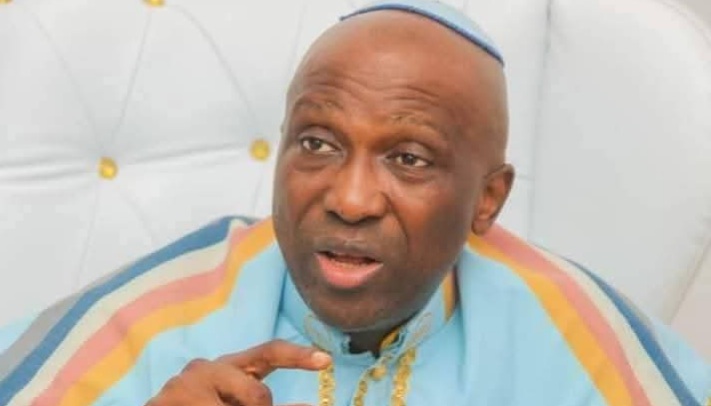
MONROVIA – The Government of Liberia has formally protested to the Government of Nigeria over controversial remarks and a coup prediction made by Nigerian cleric Primate Elijah Babatunde Ayodele concerning President Joseph Nyuma Boakai, warning that the statements could undermine diplomatic relations, fuel negative public sentiment, and threaten Liberia’s peace, stability, and democratic governance.
In a diplomatic communication dated Monday, June 8, 2026, the Embassy of Liberia in Abuja formally complained to Nigeria’s Ministry of Foreign Affairs regarding comments made by Ayodele, founder of the INRI Evangelical Spiritual Church, during public broadcasts on May 31 and June 7.
According to the embassy, Ayodele described President Boakai as “confused,” “old,” and “tired,” called for his resignation, and predicted a coup d’état in Liberia if the President remained in office.
The embassy said the remarks have generated concern among Liberians at home and abroad and have the potential to damage the longstanding relationship between Liberia and Nigeria.
“The Embassy respectfully notes that these remarks have generated significant concerns within Liberia and among the Liberian diaspora, giving rise to anti-Nigeria sentiments amongst Liberians and creating the potential to undermine Liberia’s peace, stability, and democratic governance,” the communication stated.
The diplomatic protest marks one of the strongest official responses by the Liberian government to comments made by a foreign religious figure concerning the country’s internal political affairs.
Liberia’s embassy further noted that Ayodele has previously involved himself in Liberian politics, including publicly campaigning for a presidential candidate during the country’s 2023 presidential elections. According to the embassy, his continued pronouncements on Liberia’s political processes have raised concerns about external involvement in the nation’s domestic affairs.
While acknowledging Nigeria’s constitutional protections for freedom of expression and freedom of religion, Liberia stressed that public commentary concerning foreign governments and democratically elected leaders should be exercised responsibly.
“While fully respecting Nigeria’s constitutional commitment to freedom of expression and freedom of religion, the Embassy considers it important that public statements concerning friendly foreign states and their democratically elected leaders be made responsibly and in a manner that promotes mutual respect and cordial relations,” the embassy wrote.
The communication further expressed concern that Ayodele’s repeated comments could negatively affect the historic ties between the two West African nations.
“The Embassy is particularly concerned that the persistent derogatory statements made by Primate Ayodele could undermine the longstanding brotherly relationship between the peoples of Liberia and Nigeria,” the letter stated.
Liberia subsequently requested that Nigeria’s Ministry of Foreign Affairs bring the matter to the attention of the relevant authorities for consideration and possible redress.
The controversy stems from a sermon delivered by Ayodele on Sunday, June 7, that quickly went viral across social media platforms, particularly Facebook, sparking intense reactions among Liberian politicians, commentators, and ordinary citizens.
In the widely circulated video, the Nigerian cleric claimed that Liberia would continue to experience confusion under the current administration and questioned President Boakai’s capacity to govern.
“Your president is confused. So the economy of the country is confused. Everything about the country is confused. So confusion from now till 2029 in Liberia. The man is tired,” Ayodele declared during the church service.
The remarks generated widespread debate across Liberia, with many citizens questioning both the substance of the comments and the appropriateness of a foreign religious leader making public pronouncements about Liberia’s political future.
Others, including Senators Abraham Darius Dillon, Amara Konneh, and political commentator Henry Pedro Costa, viewed the comments as an intrusion into Liberia’s sovereign affairs, arguing that predictions of political instability and calls for the resignation of a democratically elected president risk inflaming tensions and undermining public confidence in constitutional governance.
The dispute has also renewed public discussions about the role of religious figures in politics, the limits of prophetic declarations in public affairs, and the responsibility of influential personalities when commenting on sensitive political issues in foreign countries.
For the Liberian government, however, the central concern appears to be the potential impact such statements could have on national stability and the cordial relationship that has existed between Liberia and Nigeria for decades.
As of Monday, the Nigerian government had not publicly responded to the concerns raised by Liberia’s embassy. However, the diplomatic complaint reflects the seriousness with which Monrovia views the matter and signals its determination to defend the country’s democratic institutions and international reputation against statements it considers harmful or inflammatory.