
By Socrates Smythe Saywon | Smart News Liberia
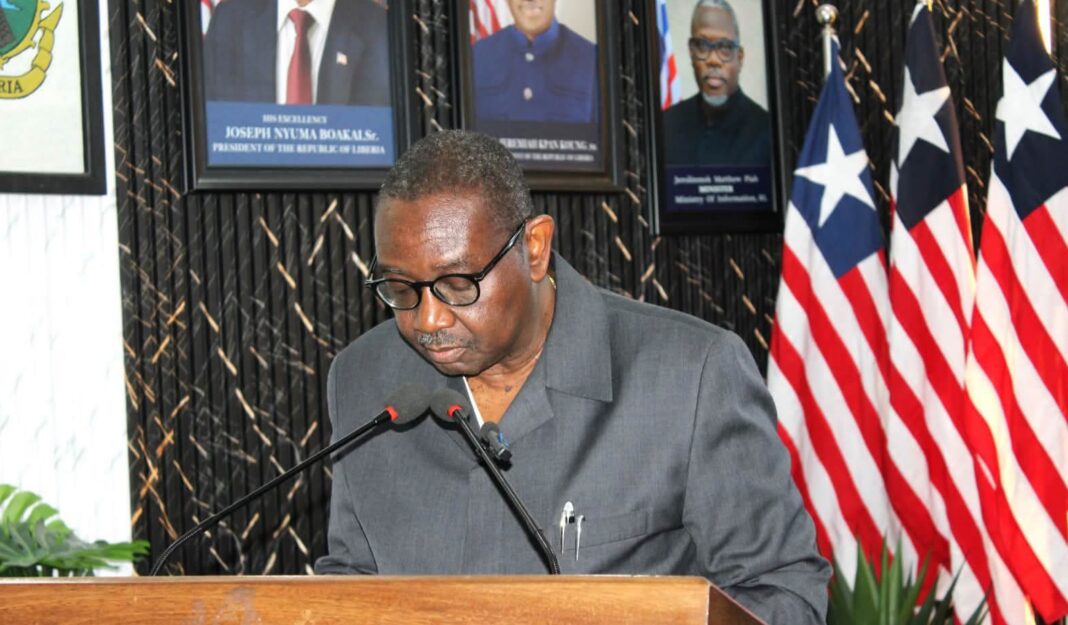
MONROVIA – The Executive Director of the Center for Transparency and Accountability in Liberia (CENTAL), Anderson D. Miamen, has warned that Liberia’s escalating narcotics cases are becoming a serious national security, governance, and credibility concern, calling for a comprehensive review and strengthening of the country’s anti-drug strategy.
In a statement titled “Liberia’s Drug Fight Must Be Thoroughly Reviewed, Improved and Well-funded to Succeed,” Miamen said the growing discovery of large quantities of cocaine and other harmful substances should not only be viewed as evidence of successful enforcement but also as an indication that Liberia’s prevention systems and security measures require urgent attention.
“The drug thing is becoming a serious embarrassment, security and credibility issue for the country and not just those involved,” Miamen stated, warning that failure to address the situation could expose Liberia to greater reputational, financial, and other national harms.
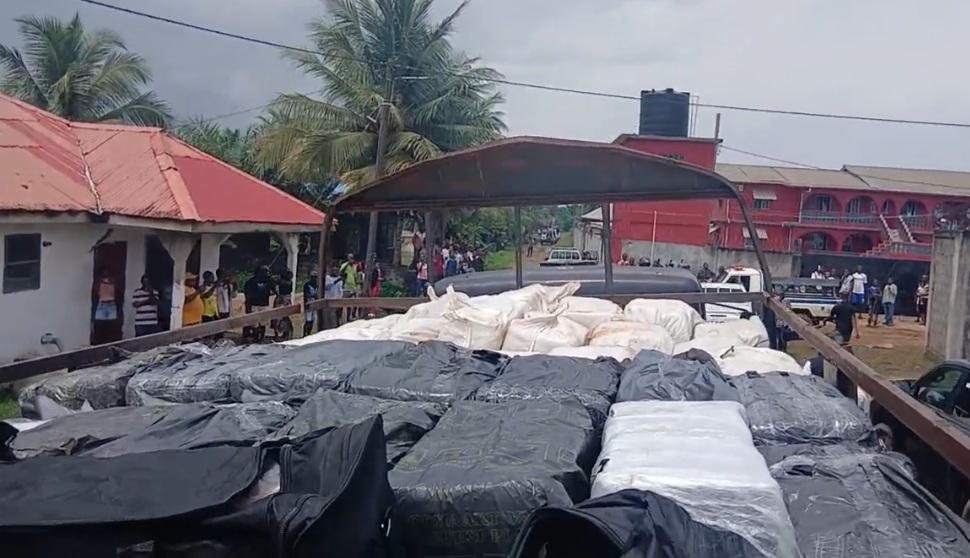
His comments come amid heightened public concern following a series of major narcotics seizures, including the recent discovery of thousands of kilograms of suspected cocaine in Margibi County, placing renewed focus on Liberia’s vulnerability to international drug trafficking networks.
Miamen argued that the government’s response must go beyond arresting suspects and confiscating illegal substances after they enter the country. He said greater emphasis must be placed on prevention, intelligence gathering, border protection, and addressing the root causes that allow criminal networks to operate.
“Government should be seen doing enough to prevent this crisis rather than cure it,” he said, stressing that sustainable solutions require confronting the underlying weaknesses that enable drug trafficking activities.
While acknowledging that the seizure of large quantities of narcotics demonstrates that security institutions are making efforts, Miamen said repeated discoveries also reveal serious gaps in Liberia’s preventive measures.
According to him, increased arrests and occasional support to security agencies, including improved resources for the Liberia Drug Enforcement Agency (LDEA), are important steps but insufficient to address the complexity of international narcotics trafficking.
He questioned how traffickers continue to move significant quantities of prohibited substances through Liberia despite security structures at airports, seaports, and border entry points.
“The growing rate of discovery or arrest of cocaine and other harmful substances also shows that our prevention measures are very weak and ordinary and security measures at our airport, sea ports, and other border entry points are very weak or compromised,” Miamen warned.
He called for a serious reassessment of Liberia’s security systems and processes, urging the government to determine how drug networks are able to bypass existing controls and establish operations within the country.
Miamen said Liberia needs renewed commitment and stronger policies to confront the growing threat, including tougher sanctions and greater accountability for individuals responsible for leading the national response.
He emphasized that the fight against narcotics requires stronger coordination among government institutions, improved oversight, and credible leadership at key locations vulnerable to smuggling activities.
The CENTAL Executive Director also called for the placement of competent and committed personnel at border crossings and other major entry points that could be exploited by drug traffickers.
He further urged increased financing and oversight of anti-drug initiatives, arguing that institutions cannot effectively combat sophisticated criminal networks without adequate resources and accountability mechanisms.
Beyond enforcement, Miamen stressed the importance of a broader national strategy involving communities, the media, civil society organizations, and other stakeholders.
According to him, public awareness, community engagement, and collaboration across society are necessary to prevent Liberia from becoming a preferred route for international narcotics trafficking operations.
His warning highlights growing concerns among governance advocates that Liberia’s recent drug cases require deeper reforms rather than temporary responses.
Although successful interceptions and arrests show that security agencies are capable of responding, repeated large-scale seizures have raised questions about whether existing prevention systems are strong enough to detect and stop trafficking operations before they take root.
The challenge now facing the government is whether it can move from a reactive approach to a comprehensive anti-narcotics framework built on intelligence, prevention, accountability, and institutional strengthening.
Miamen’s call for a review of Liberia’s drug fight comes as authorities continue investigations into major cocaine seizures and face increasing pressure to demonstrate that the country’s security systems can effectively prevent organized criminal networks from exploiting national vulnerabilities.
He argued that defeating the narcotics threat will require more than arrests and seizures, stressing the need for sustained investment, stronger institutions, effective oversight, and a coordinated national commitment to protecting Liberia’s security and international reputation.